You've set ambitious fitness goals for the new year: run a 5K, build strength, lose weight, or simply feel healthier. You've invested in gym memberships, workout gear, and maybe even a personal trainer. But you're overlooking the most powerful performance tool you already possess—one that requires no equipment, no membership fees, and works 24 hours a day. Your breath holds the key to unlocking fitness potential you didn't know existed.
Why Breathing Matters for Fitness
According to wellness experts Shane O'Connor and Patrick McKeown, most people fundamentally misunderstand how breathing affects physical performance. The problem isn't that you don't breathe enough during exercise—it's that you breathe too much, too rapidly, and through the wrong pathway. This dysfunctional breathing pattern sabotages endurance, delays recovery, and limits the fitness gains you work so hard to achieve.
The Body Oxygen Level Test provides your starting point for assessing breathing efficiency. This simple measurement reveals how well your body tolerates carbon dioxide—a critical factor in oxygen delivery to muscles and organs. Here's how to measure your baseline: sit comfortably and take a normal breath in and out through your nose. After exhaling normally, hold your breath and pinch your nose closed. Start a timer and measure seconds until you feel the first definite urge to breathe, such as throat tightening, a swallow reflex, or abdominal contraction. Stop the timer and resume breathing calmly through your nose.
Your score reveals everything about your current breathing efficiency. Below 10 seconds indicates breathing may be noisy, irregular, and causing disrupted sleep or fatigue. Scores between 10 and 20 seconds suggest breathing might be compromised by mouth breathing, snoring, or airway issues. The 20 to 30 second range represents generally calm breathing with room for improvement. The gold standard for functional breathing efficiency is 40 seconds and above.
The Nasal Breathing Revolution
Switching from mouth breathing to nasal breathing during everyday routines and physical activity transforms fitness outcomes. Enhanced oxygen delivery provides better energy and endurance. Reduced lactic acid buildup delays fatigue during activity. Improved recovery accelerates healing after workouts. These benefits sound too simple to be true, yet research confirms that breathing through your nose rather than your mouth fundamentally changes how your body performs.
Start training with nasal breathing by beginning with light activities like walking, slow jogging, or yoga while focusing exclusively on nasal breathing. Progress gradually by slowly increasing intensity with cycling, running, or strength training—all while breathing only through your nose. This might feel challenging initially. Your body has adapted to inefficient mouth breathing patterns over years or decades. Retraining takes patience.
Focus on diaphragmatic breathing to maximize oxygen exchange. Breathe deeply into your diaphragm rather than shallow chest breathing. Add small breath holds during walking or light activity to improve carbon dioxide tolerance. After training, spend five to ten minutes practicing light, slow nasal breathing to support muscle repair and recovery. Every training session with nasal breathing retrains your body and brain for better performance and recovery.
Building Habits That Last
Improving your breathing doesn't require extra time or new tasks on your to-do list. Practice breathwork anywhere, anytime—while waiting in line, during short work breaks, walking from one place to another, or before falling asleep at night. Small, regular practices prove more effective than sporadic long sessions. Daily habits make breathing exercises feel natural and effortless. Over time, consistent breathwork improves focus, resilience, and overall wellbeing.
Progress you can see is progress you can sustain. Track your Body Oxygen Level Test score regularly and note improvements over time. Monitor your experience during activities—are you feeling less breathless? More focused? Track changes in energy, sleep quality, and stress levels. Seeing progress documented transforms small improvements into powerful motivation that keeps you consistent through challenges.
Common obstacles emerge when changing breathing patterns. Discomfort from air hunger feels normal initially. Start with shorter, gentler breath-hold exercises and build gradually. Difficulty maintaining nasal breathing during exercise requires patience. Begin with light activities and slowly increase intensity as your body adapts. Impatience with progress undermines consistency. Track your score regularly and celebrate small wins. Each five-second improvement in your breathing hold time represents measurable progress toward better health.
Indoor Air Quality Supports Breathing Training
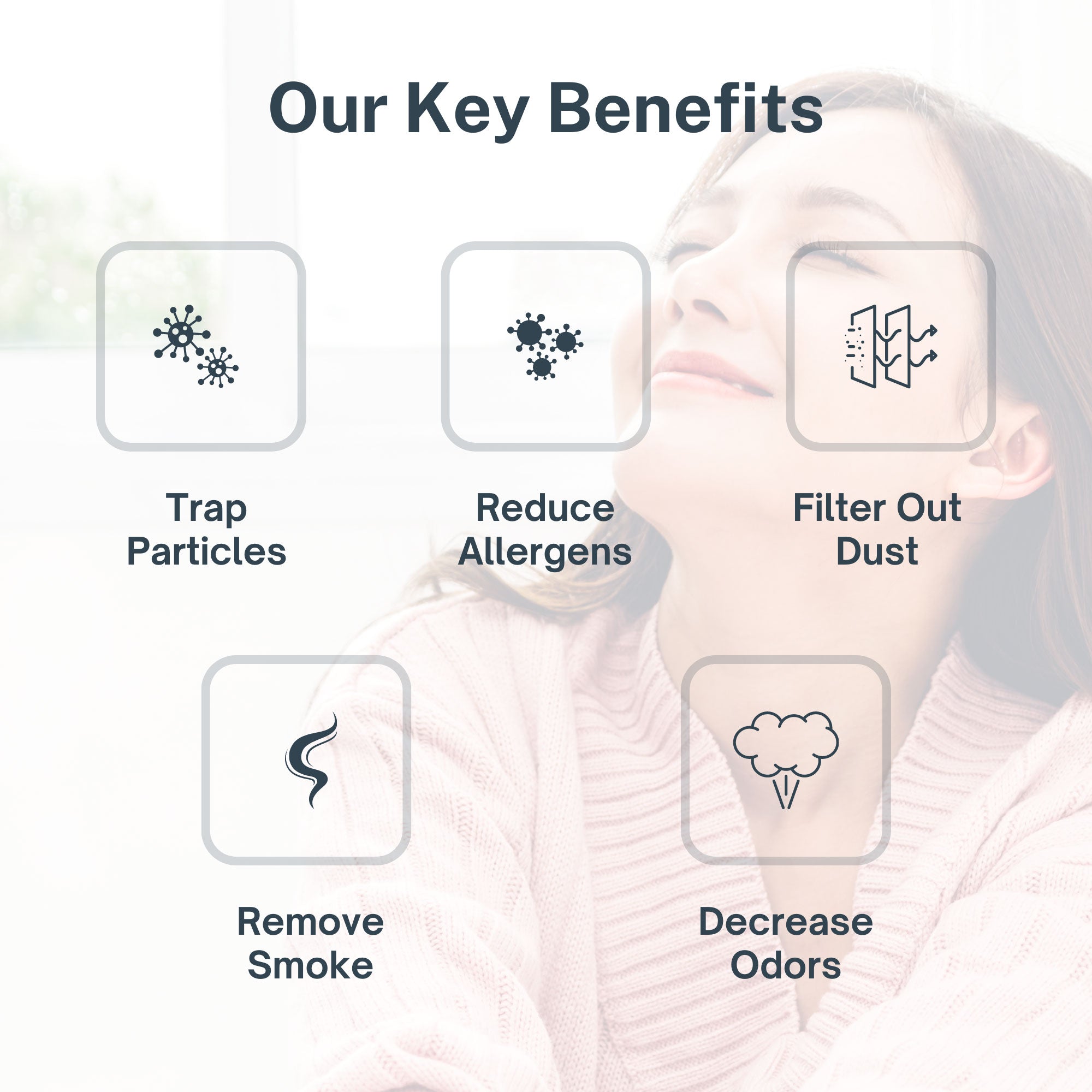
Your breathing retraining efforts depend on the quality of air you're breathing. According to the Environmental Protection Agency, indoor air can be two to five times more polluted than outdoor air. When you practice nasal breathing exercises in contaminated indoor environments, you're training your respiratory system while simultaneously exposing it to pollutants, allergens, and irritants that undermine your progress.
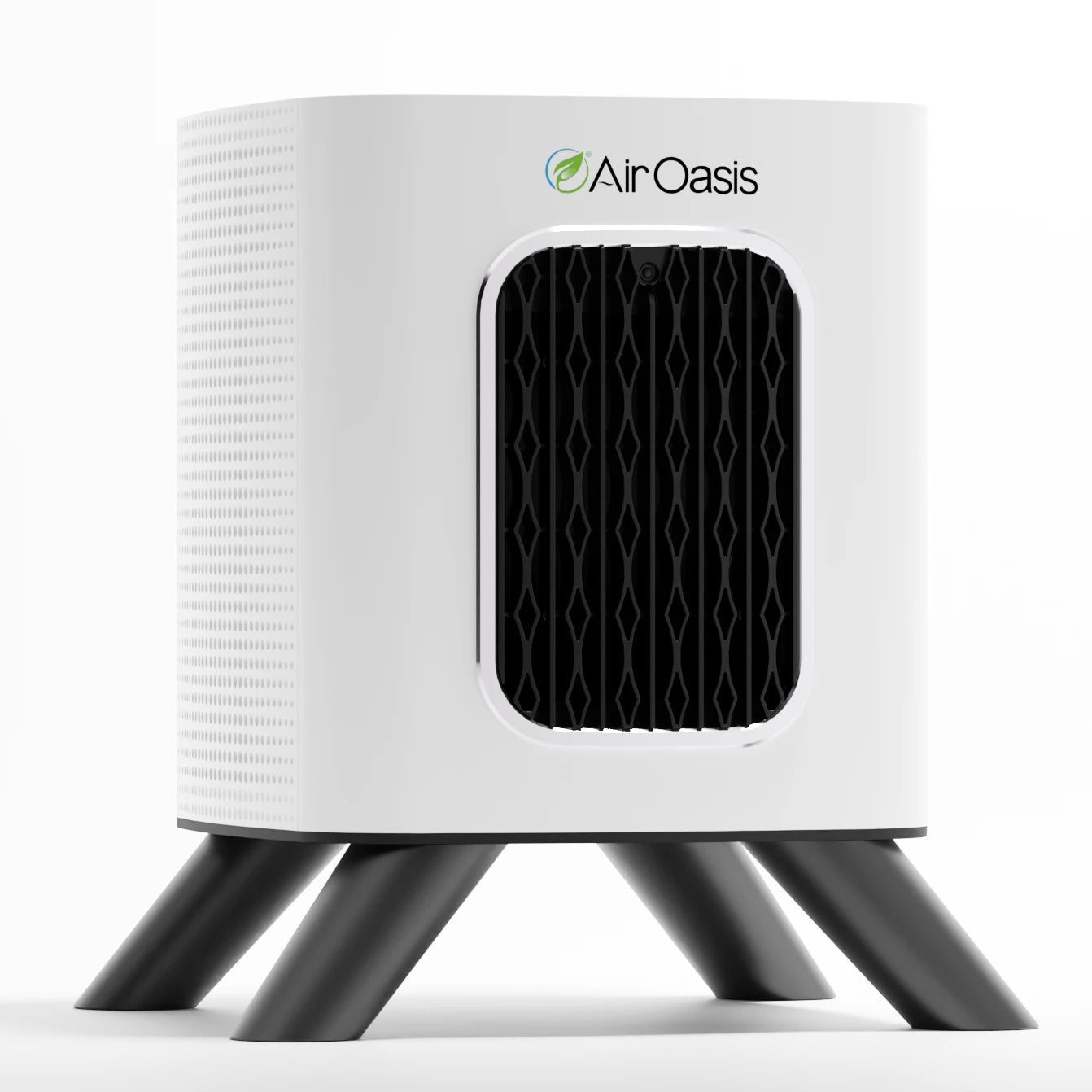
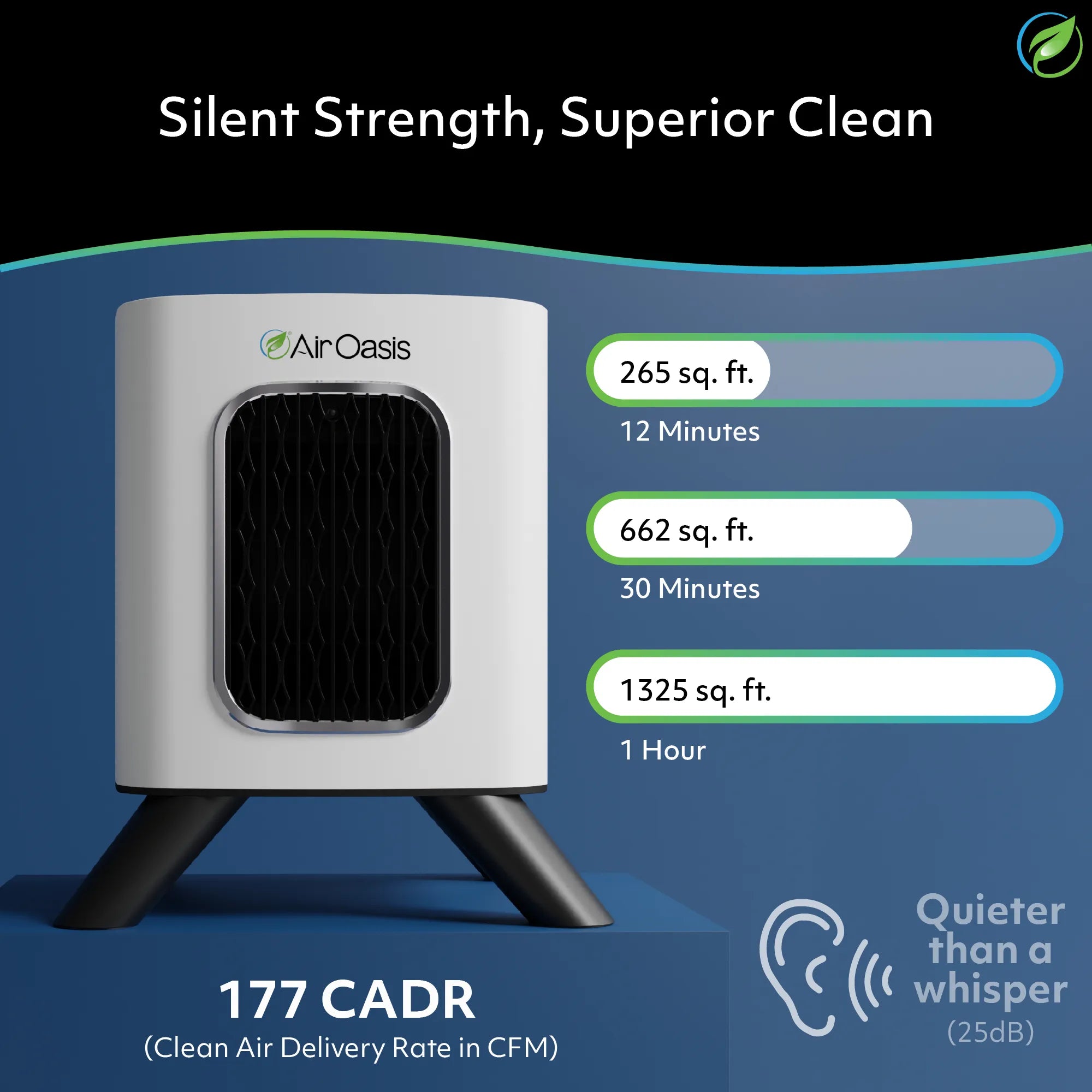
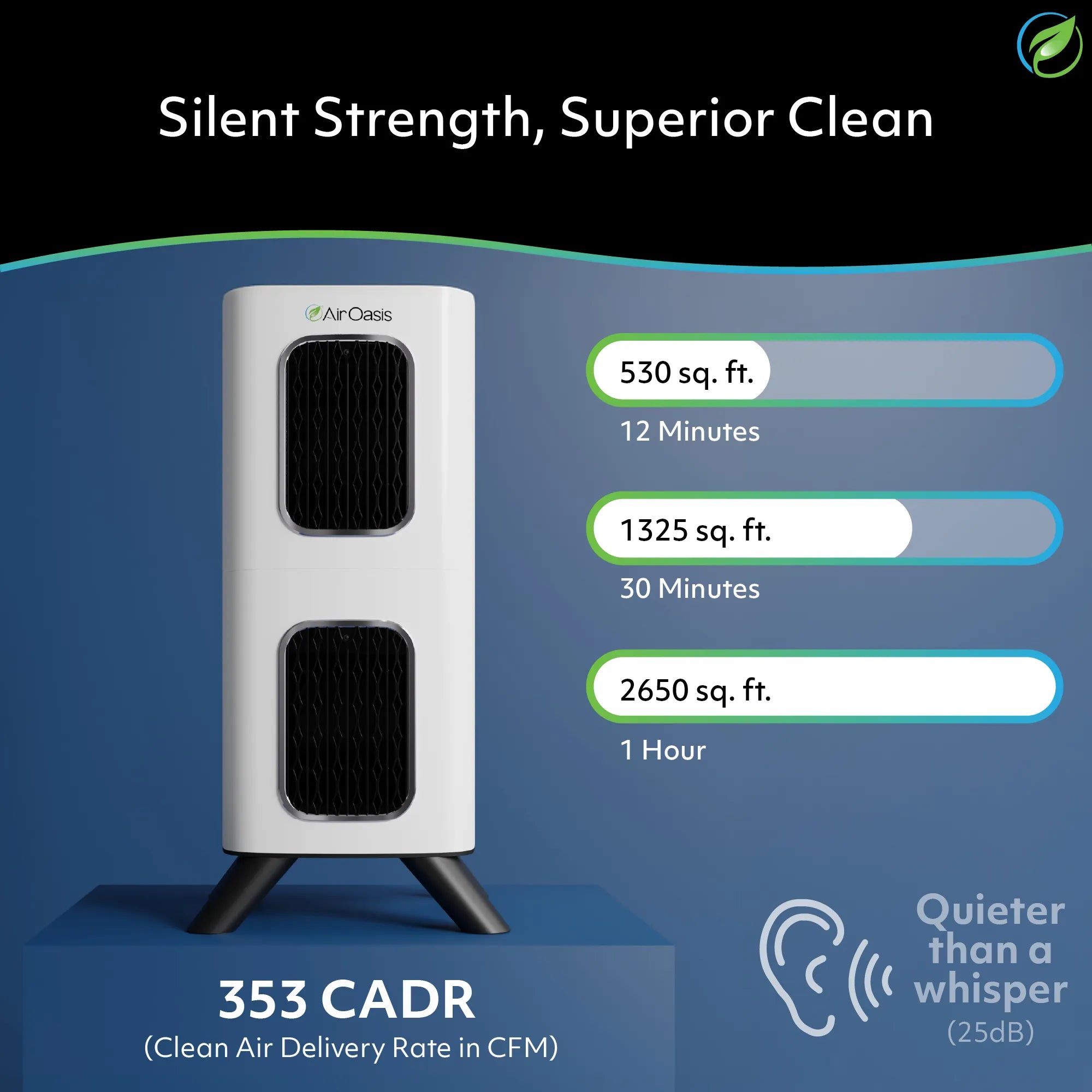
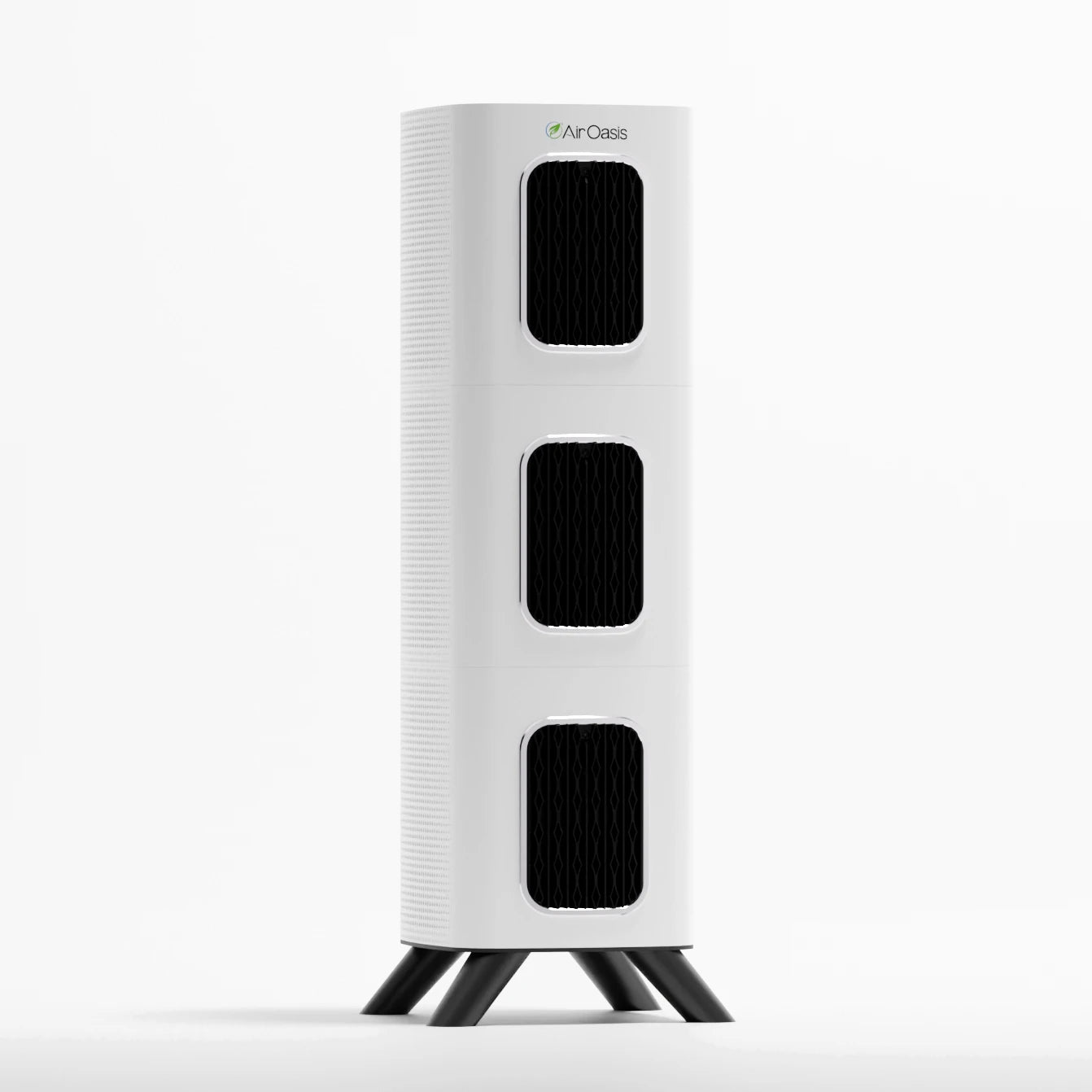
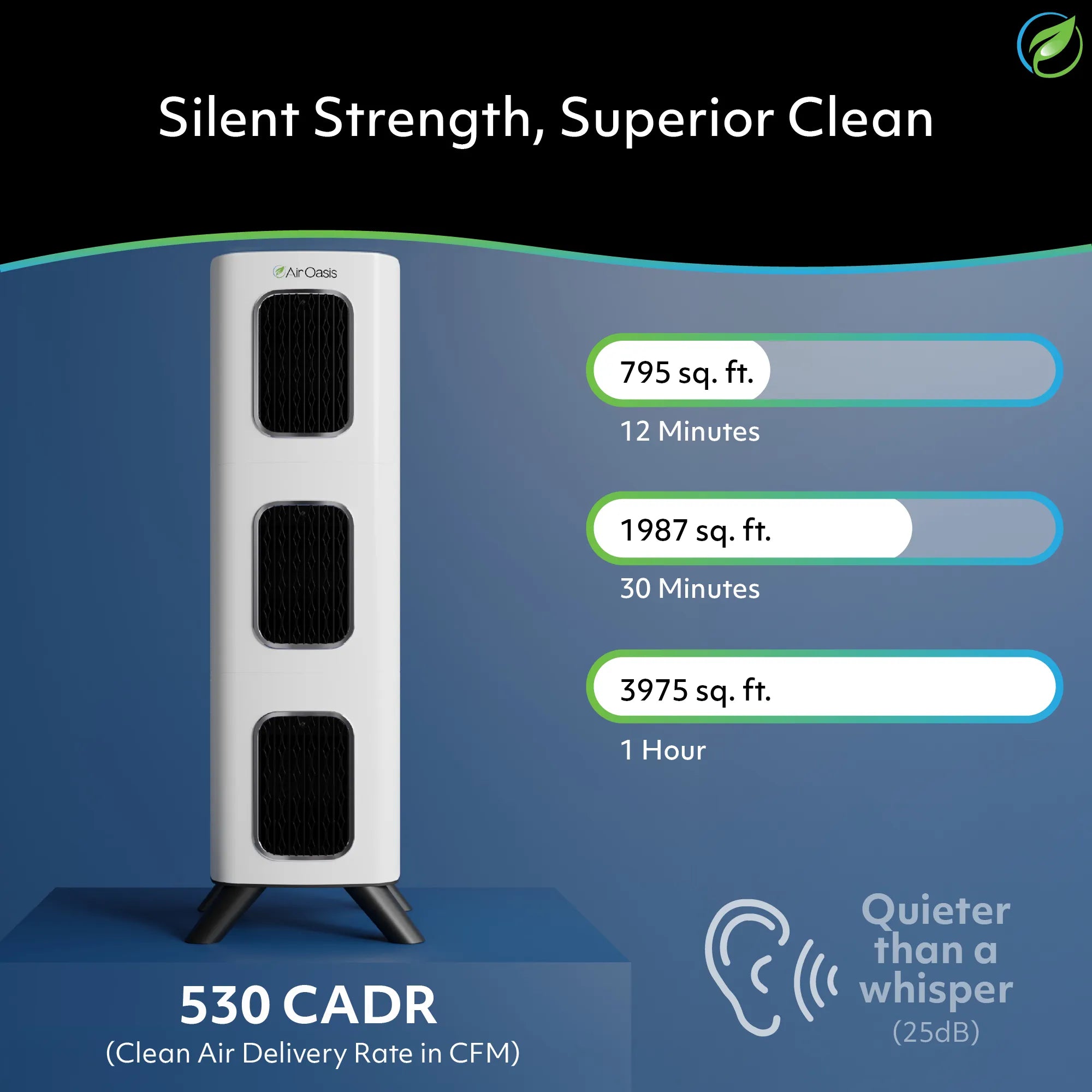
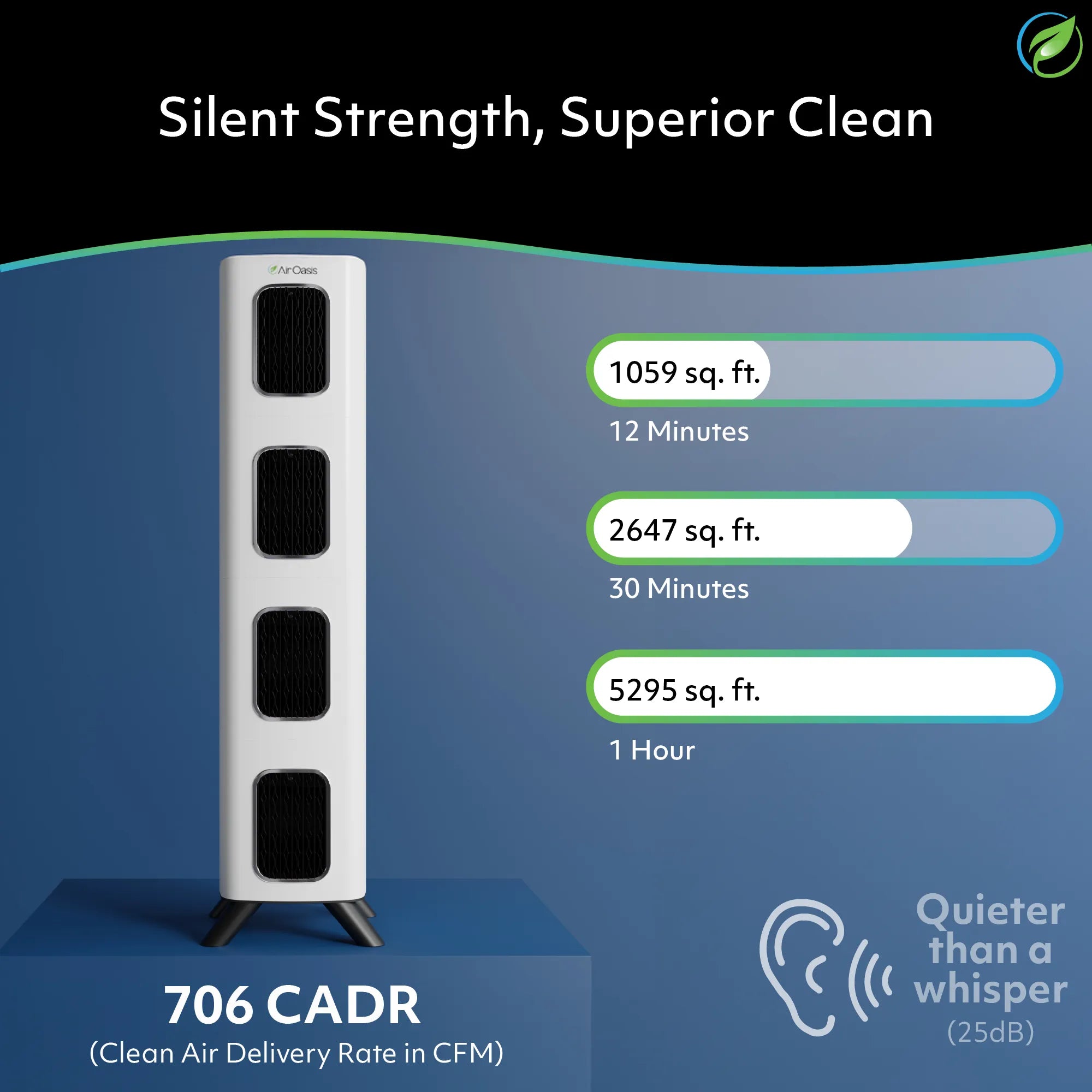
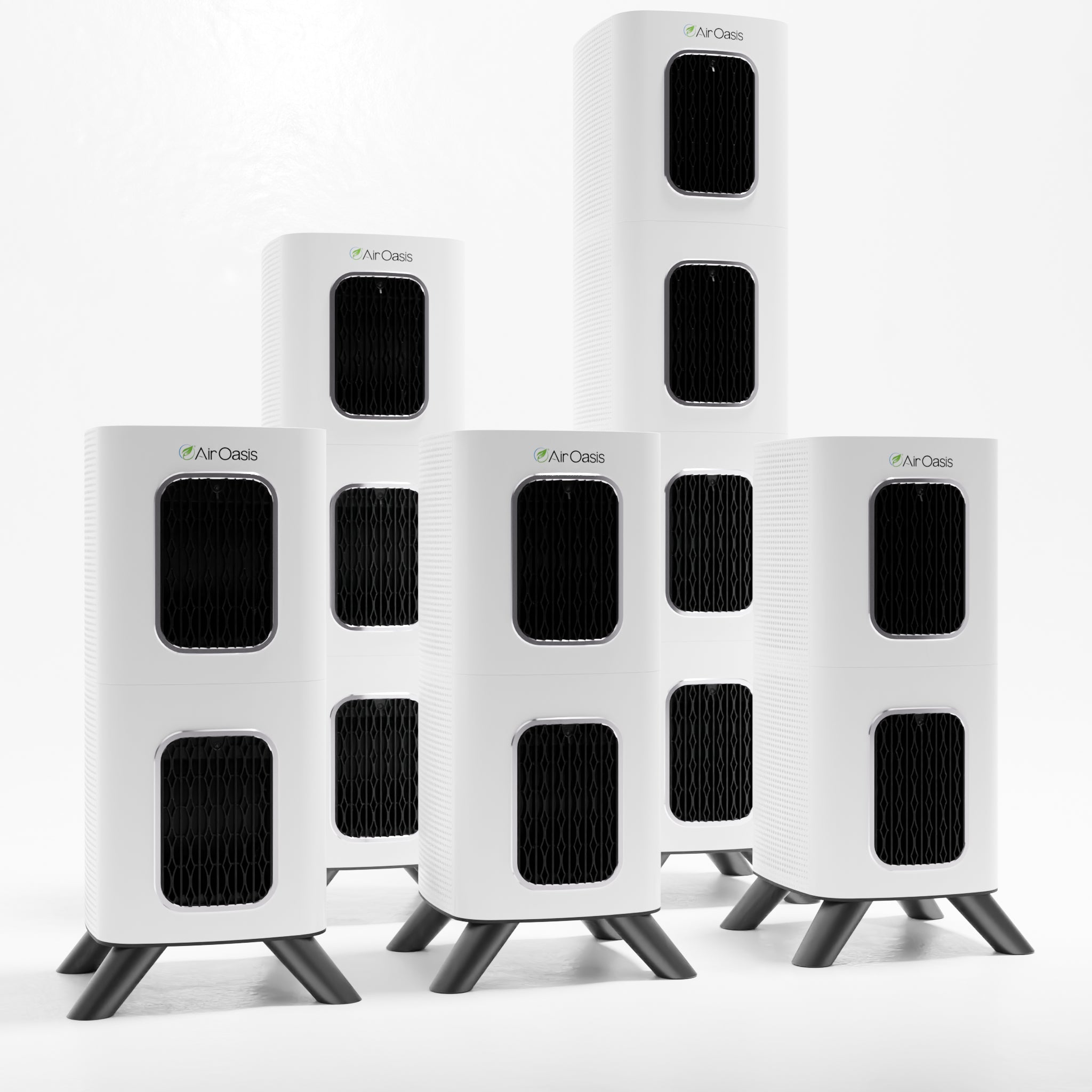
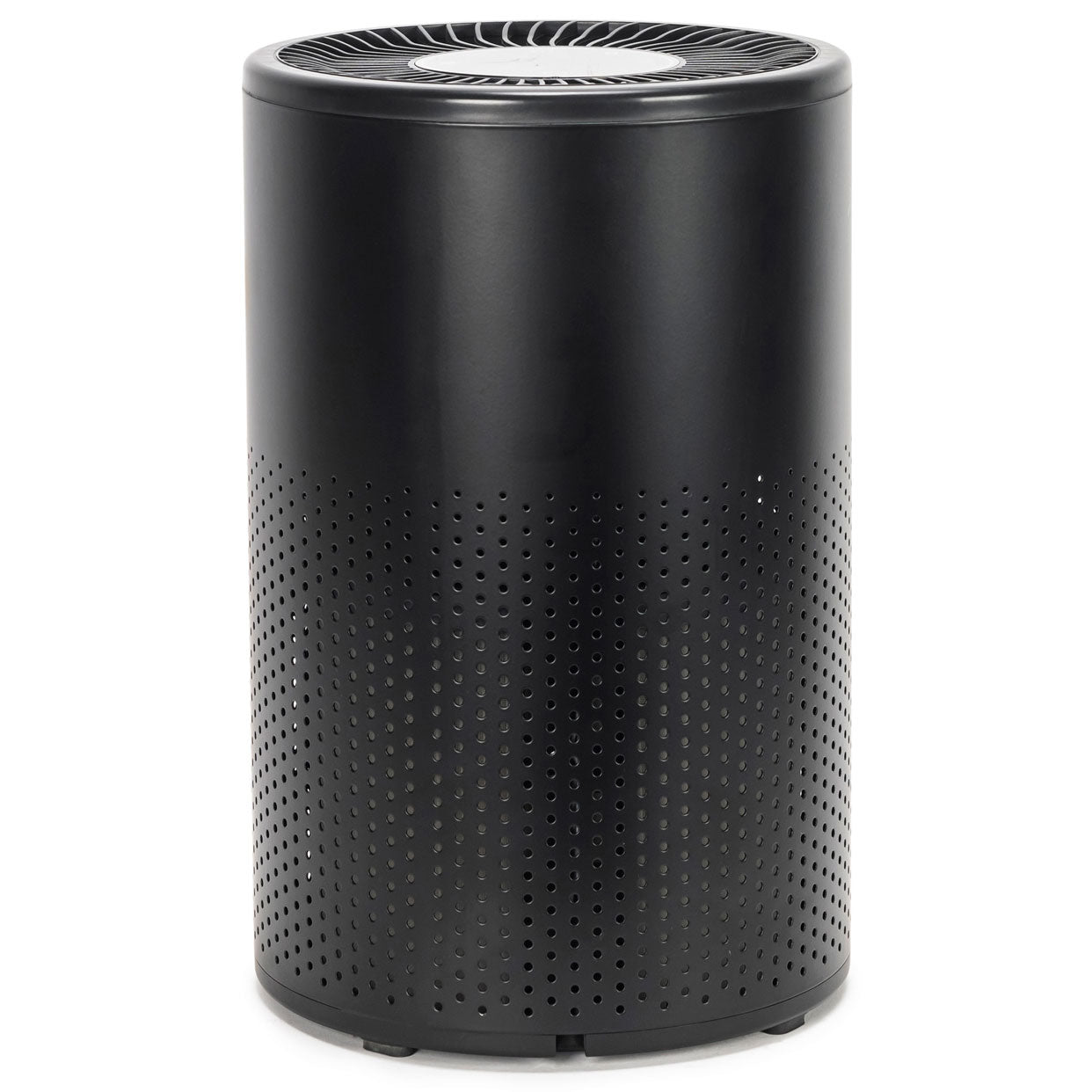
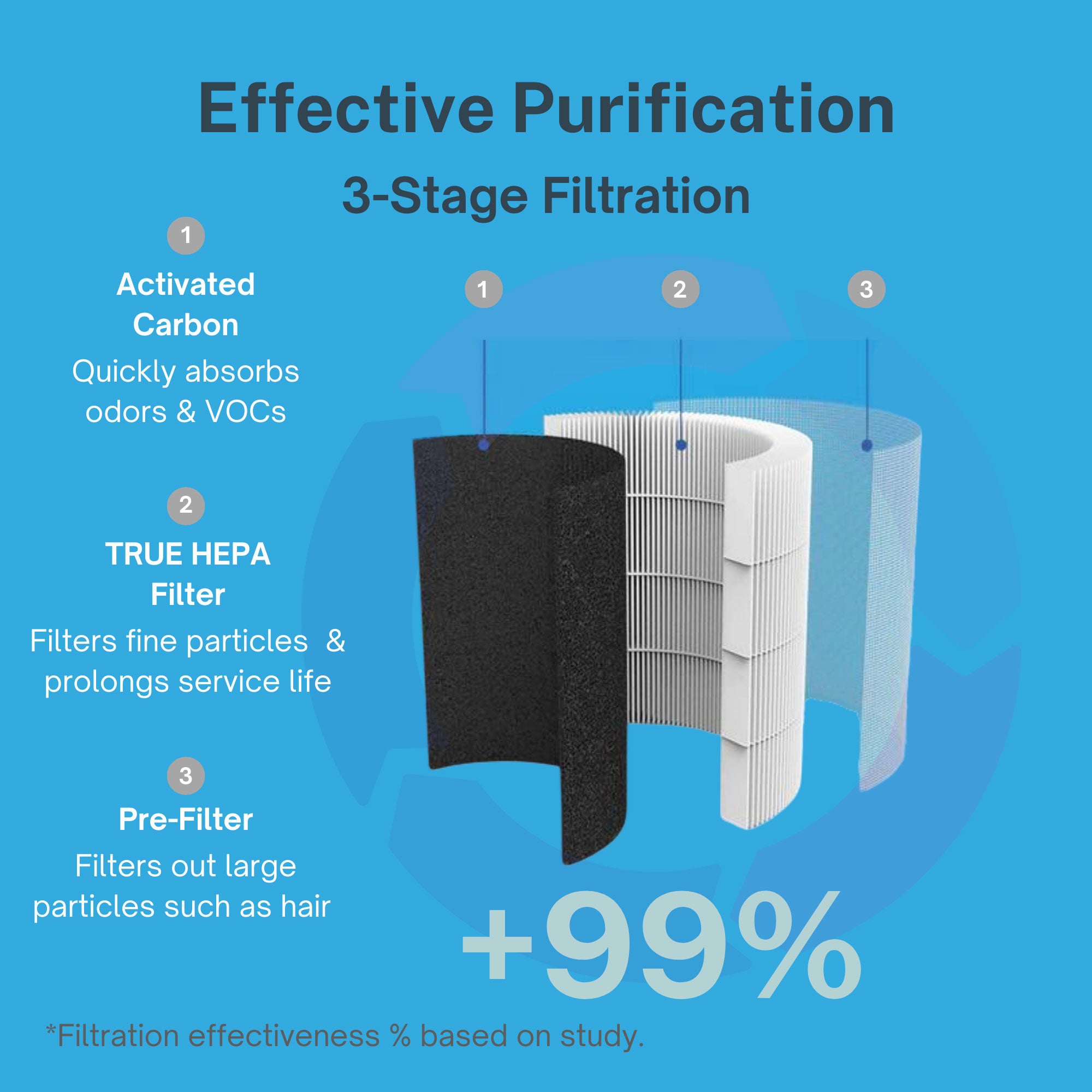
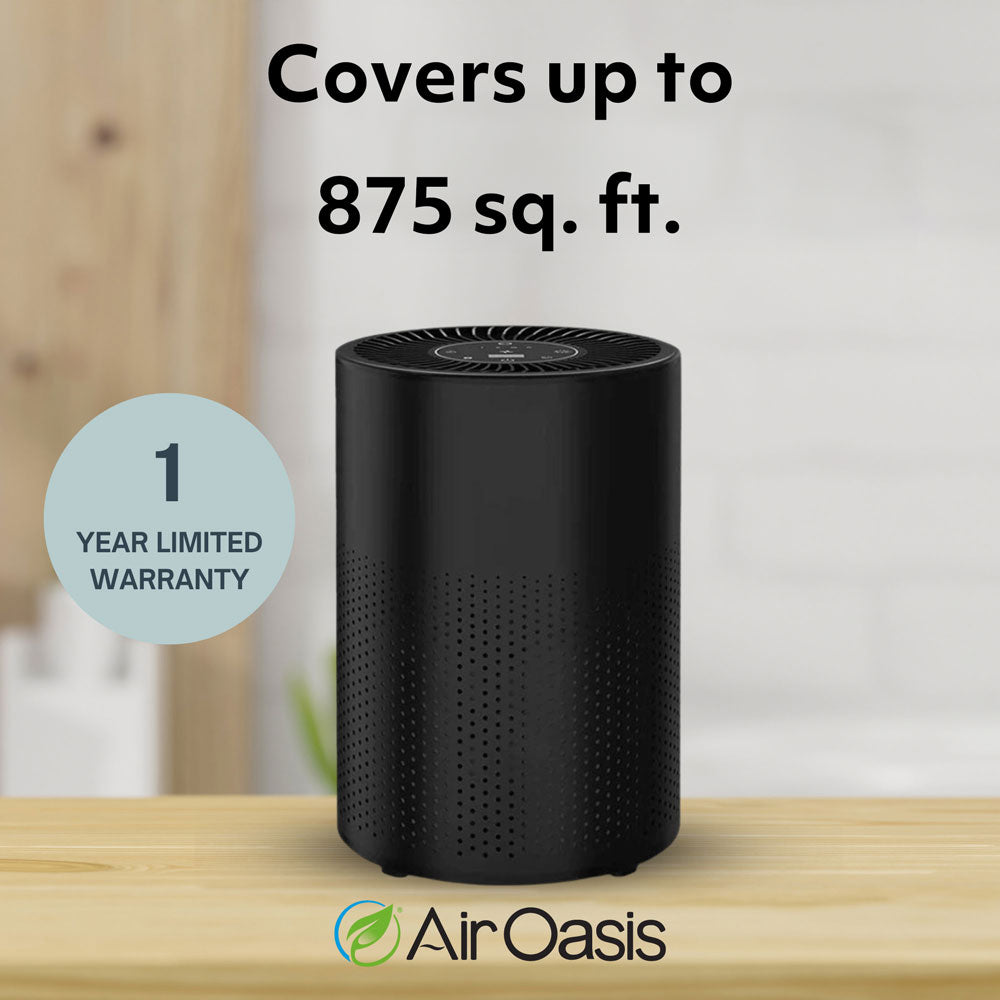
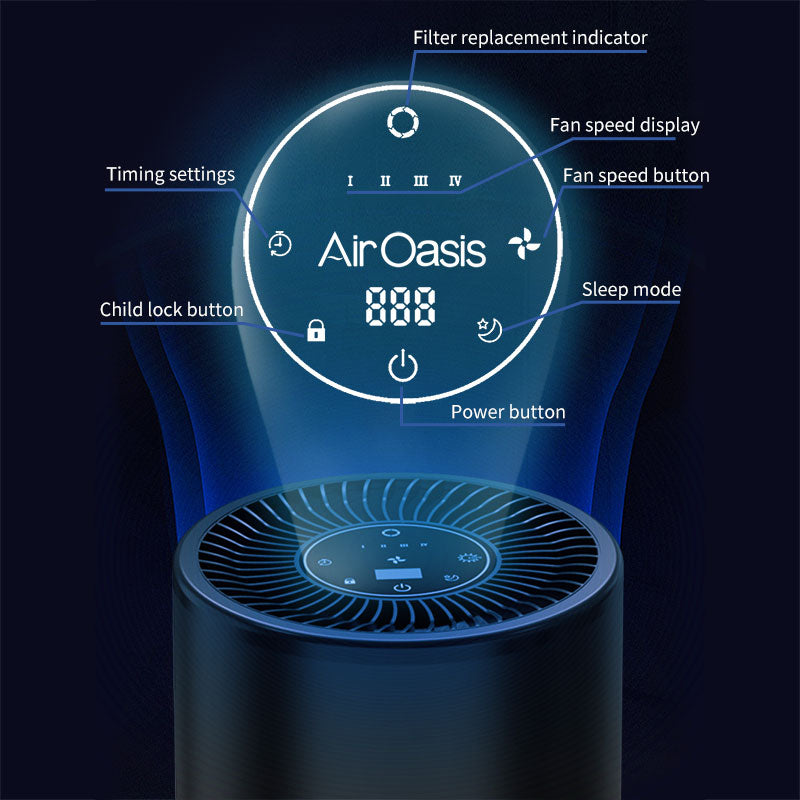
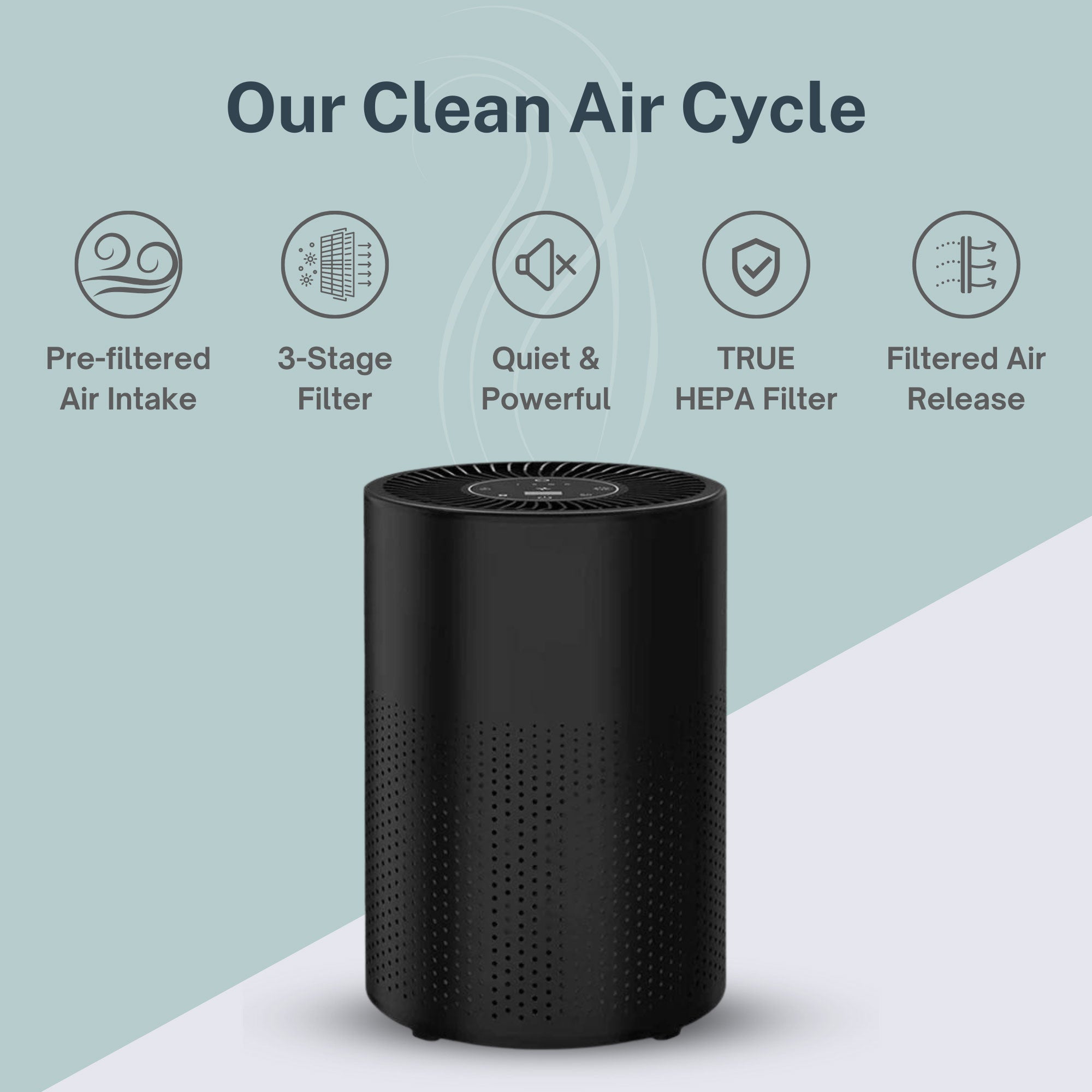
Medical-grade air purification creates optimal conditions for breathing training by removing 99.97% of airborne particles that trigger respiratory irritation. The iAdaptAir systems combine HEPA filtration with activated carbon technology and UV-C light, addressing the complete spectrum of indoor air pollutants. Clean air allows your respiratory system to focus on adaptation and improvement rather than constantly defending against environmental threats.
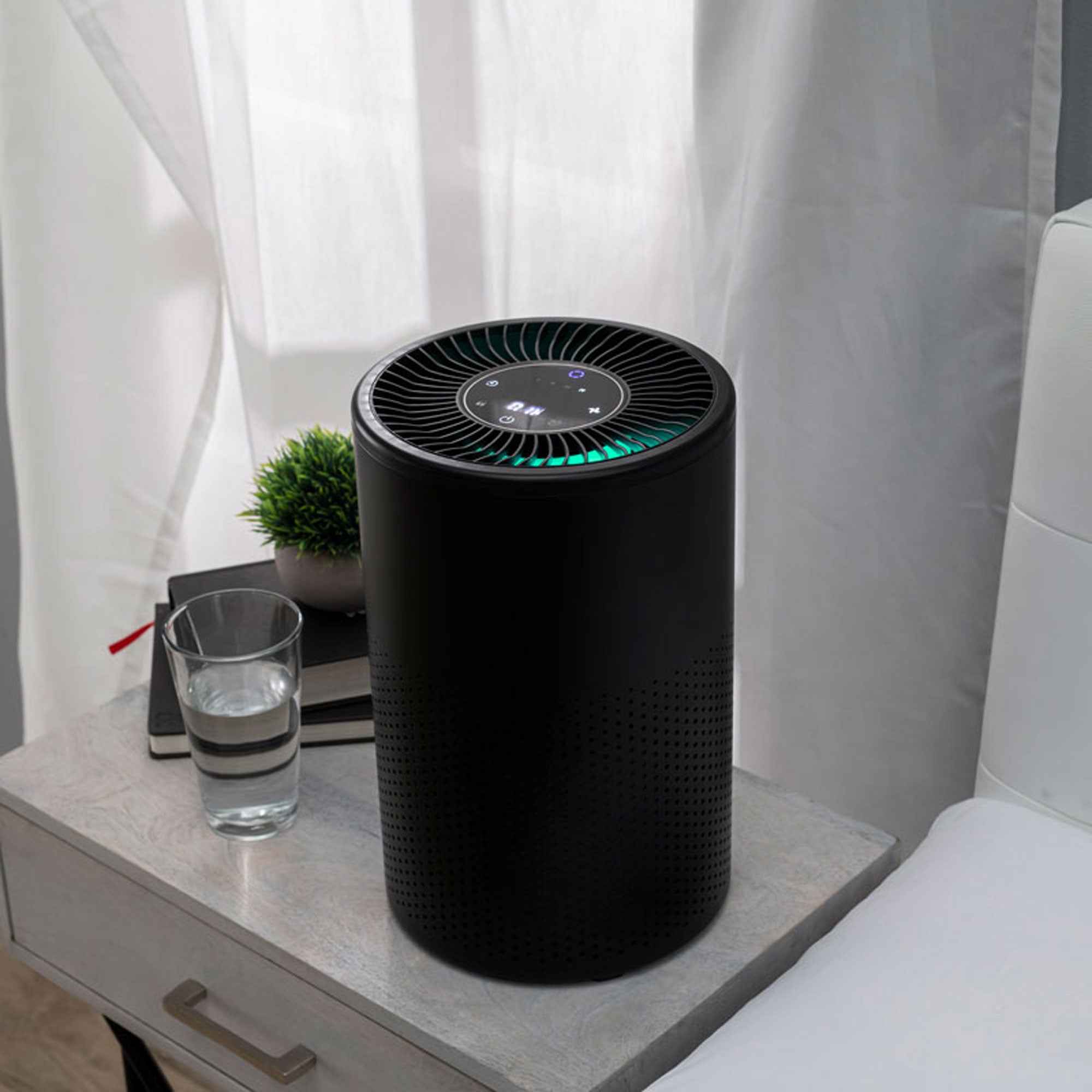
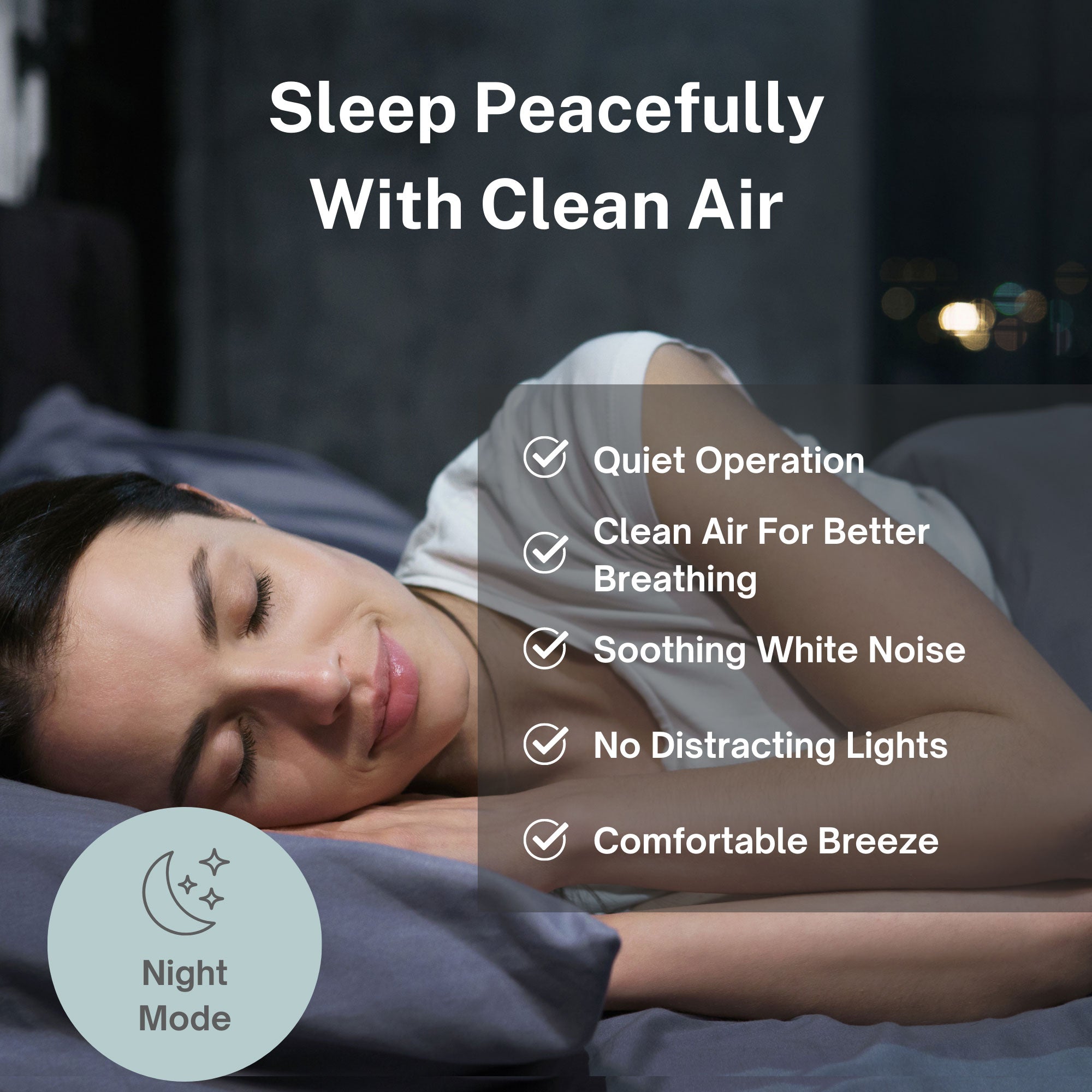
Breathing training at home, particularly before sleep, proves especially effective for improving overall respiratory function. Installing air purification in bedrooms ensures eight hours of clean air exposure nightly while you practice the nasal breathing techniques that improve sleep quality. This combination—intentional breathing training plus clean air—accelerates progress toward your fitness goals by optimizing both practice conditions and recovery time.
The Missing Link in Your Fitness Plan
Traditional fitness programs focus on exercise selection, repetition schemes, progressive overload, and nutrition timing. These elements matter. But breathing patterns determine how effectively you deliver oxygen to working muscles, how efficiently you clear metabolic waste products, and how quickly you recover between training sessions. Breathing represents the foundation supporting every other fitness intervention.
With just a few minutes of daily practice, you can feel calmer and more focused throughout your day, sleep better and wake refreshed, and improve endurance and recovery in your workouts. These benefits compound over weeks and months of consistent practice. The athlete who runs the same workout while breathing nasally versus mouth breathing experiences dramatically different physiological responses. Nasal breathing maintains lower heart rates, reduces perceived exertion, improves oxygen saturation, and enhances fat utilization during exercise.
Your fitness goals deserve the strongest possible foundation. Before adding another supplement, workout program, or piece of equipment to your routine, master the fundamental skill your body performs 20,000 times daily. Start today with measuring your baseline breathing efficiency. Practice light breathing exercises to create a sensation of air hunger. Add short breath holds during rest and light activity. Every improvement in your breathing score translates to noticeable changes in health, focus, and physical endurance.
Your breath represents one of your most powerful tools for better health, sharper focus, and lasting resilience. Start today, stay consistent, and begin a journey of clarity, calm, and peak performance—one breath at a time. Protect that progress by ensuring the air you breathe supports rather than undermines your training. Shop Air Oasis today and create the clean indoor environment where your breathing practice and fitness goals can thrive together.