Every breath your employees take at work matters. While companies race to achieve net-zero emissions, new research from MIT reveals a surprising truth: the path you choose to reduce carbon dramatically affects the air quality in your workplace and surrounding community. Two companies might cut the same amount of CO2, but one strategy could deliver three times more health benefits than the other.
The Research That Changes Everything
MIT researchers published groundbreaking findings in Environmental Research Letters that challenge how we think about corporate sustainability. Using data from two universities and one company in the Boston area, they discovered that reducing air travel provides approximately three times more air quality benefits compared to purchasing renewable electricity—even when both actions eliminate identical amounts of CO2 emissions.
"From a climate standpoint, CO2 has a global impact because it mixes through the atmosphere, no matter where it is emitted. But air quality impacts are driven by co-pollutants that act locally, so where those emissions occur really matters," explains Yuang (Albert) Chen, MIT graduate student and lead author of the study.
The research team used sophisticated atmospheric modeling to calculate that air quality damages from business air travel cost about $265 per ton of CO2, while electricity-related damages cost $88 per ton. The full MIT News study details how burning fossil fuels releases not just carbon dioxide, but also nitrogen oxides and sulfur dioxide—co-pollutants that transform into fine particulate matter and ground-level ozone in the atmosphere.
These pollutants directly threaten human health. Exposure to fine particulate matter and ground-level ozone leads to cardiovascular disease, respiratory illness, and premature death. For business leaders, this means your sustainability choices directly impact employee health, productivity, and absenteeism rates.
Why Location Determines Health Outcomes
The MIT study revealed dramatic regional variations in air quality impacts. Corporate energy consumption affects air quality regionally, while business air travel emissions disperse globally because pollutants release at high altitudes where atmospheric chemistry amplifies their effects.
Short-haul flights create particularly severe local impacts. "If an organization is thinking about how to benefit the neighborhoods in their backyard, then reducing short-haul flights could be a strategy with real benefits," notes Noelle Selin, MIT professor and senior author.
Even electricity purchases show location-dependent effects. One university's power plant emissions fell over densely populated areas, resulting in 16 percent more estimated premature deaths than a corporation whose emissions affected less populated regions—despite identical climate impacts.
These findings have profound implications for indoor air quality management. Outdoor pollution doesn't stay outdoors. Fine particulate matter and ozone infiltrate buildings, affecting employee health, cognitive function, and productivity. The EPA confirms that indoor air can be two to five times more polluted than outdoor air, making workplace air purification essential regardless of your carbon reduction strategy.
Building a Comprehensive Air Quality Strategy
Forward-thinking companies recognize that carbon reduction and indoor air quality protection work together. While you optimize your sustainability roadmap, you need immediate solutions that protect employee health today.
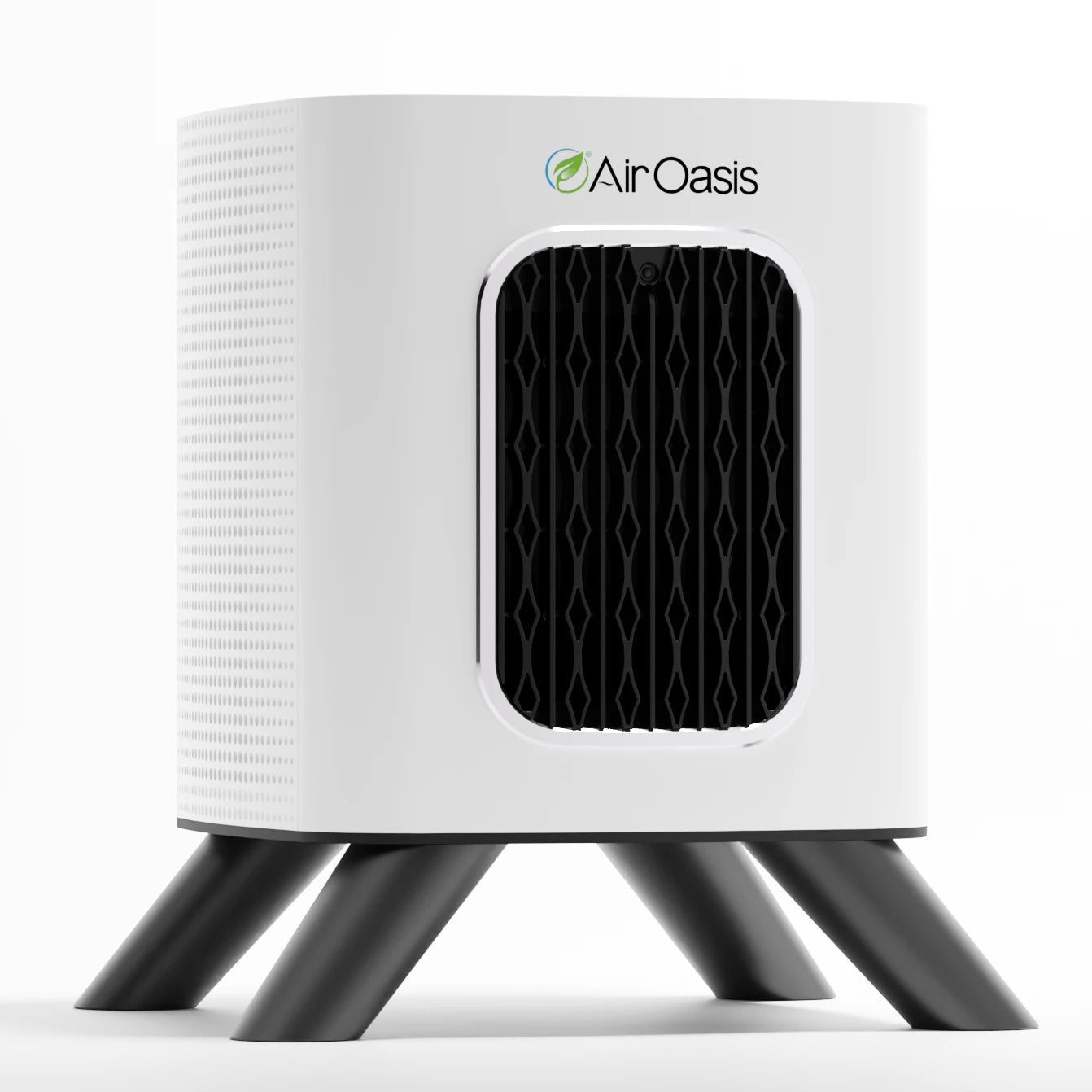
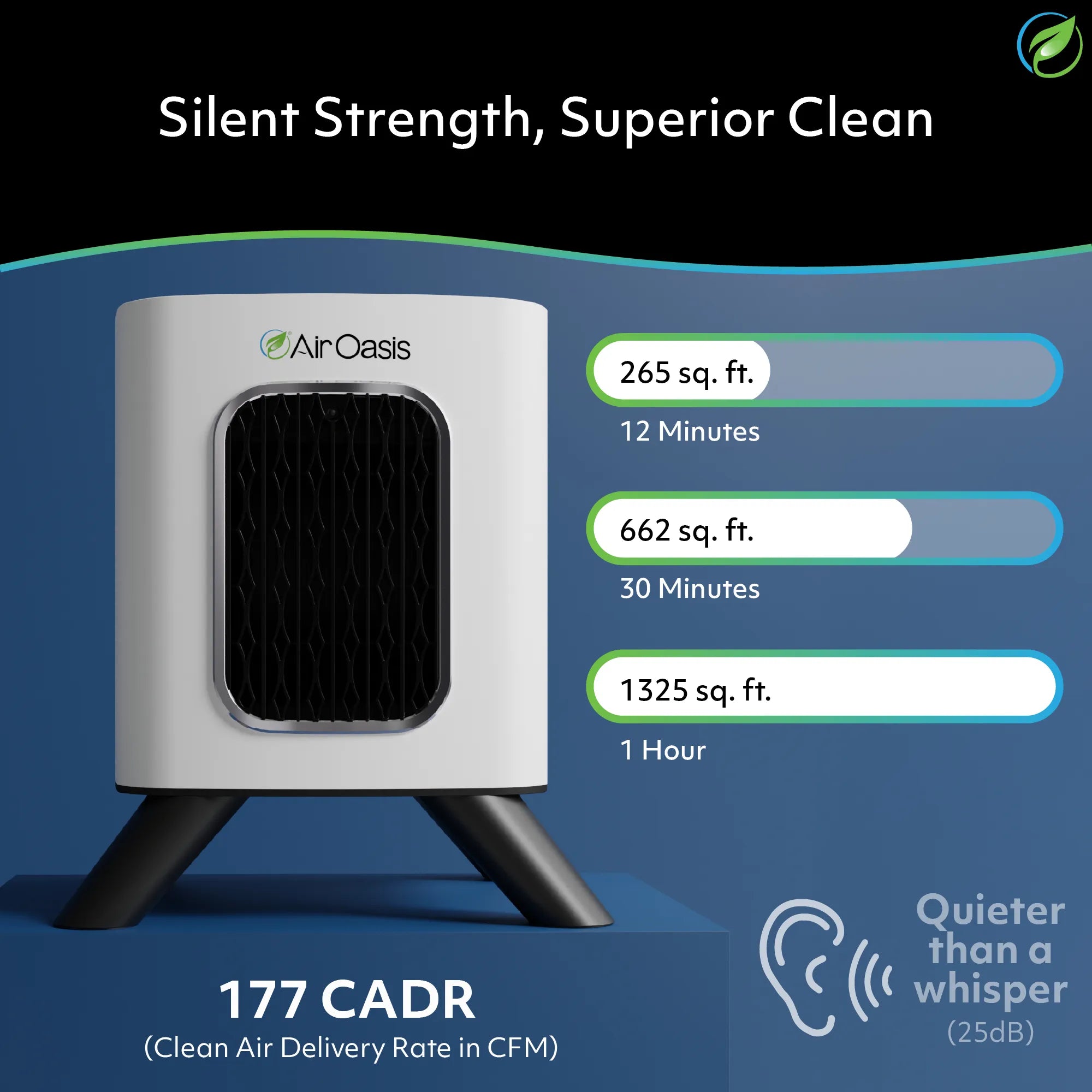
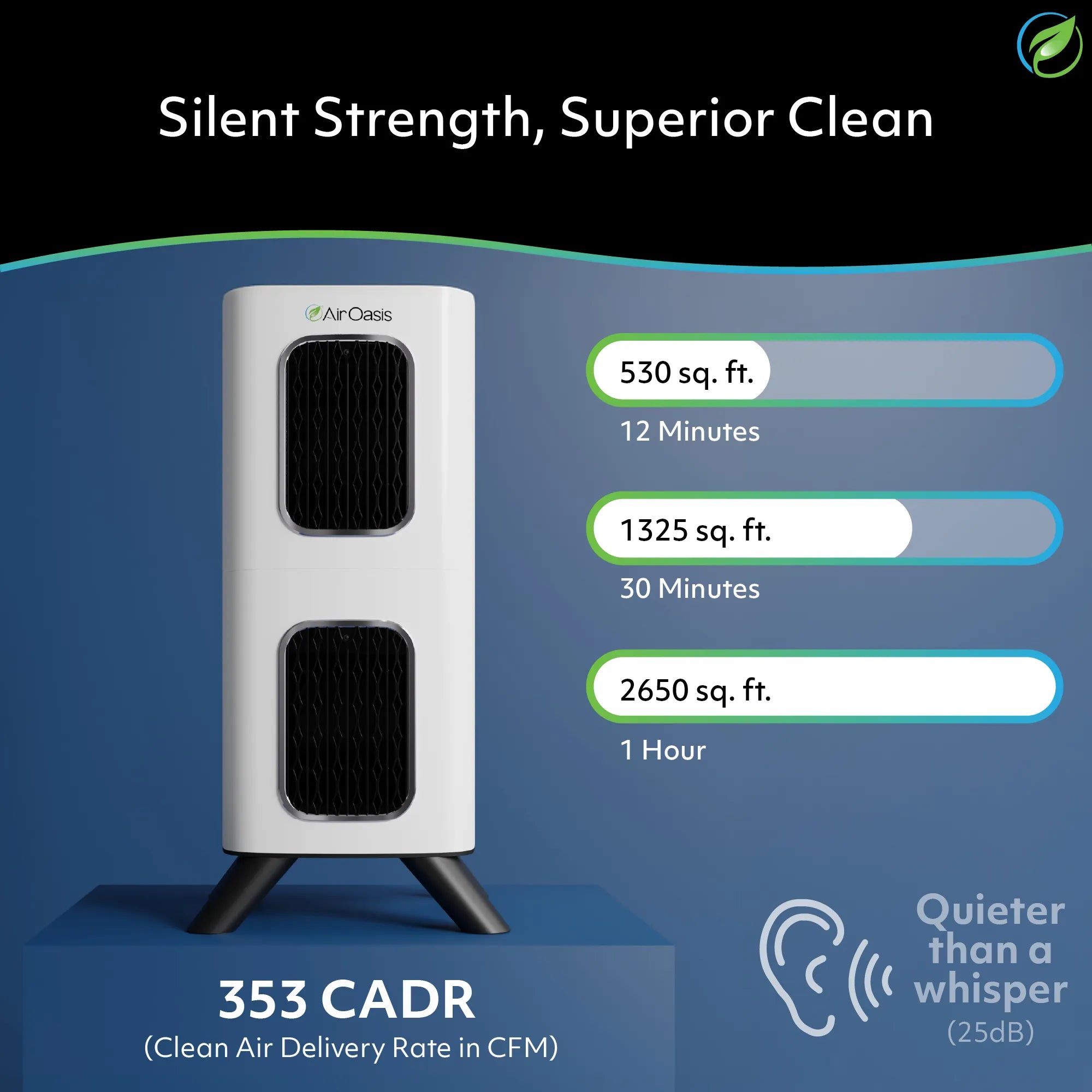
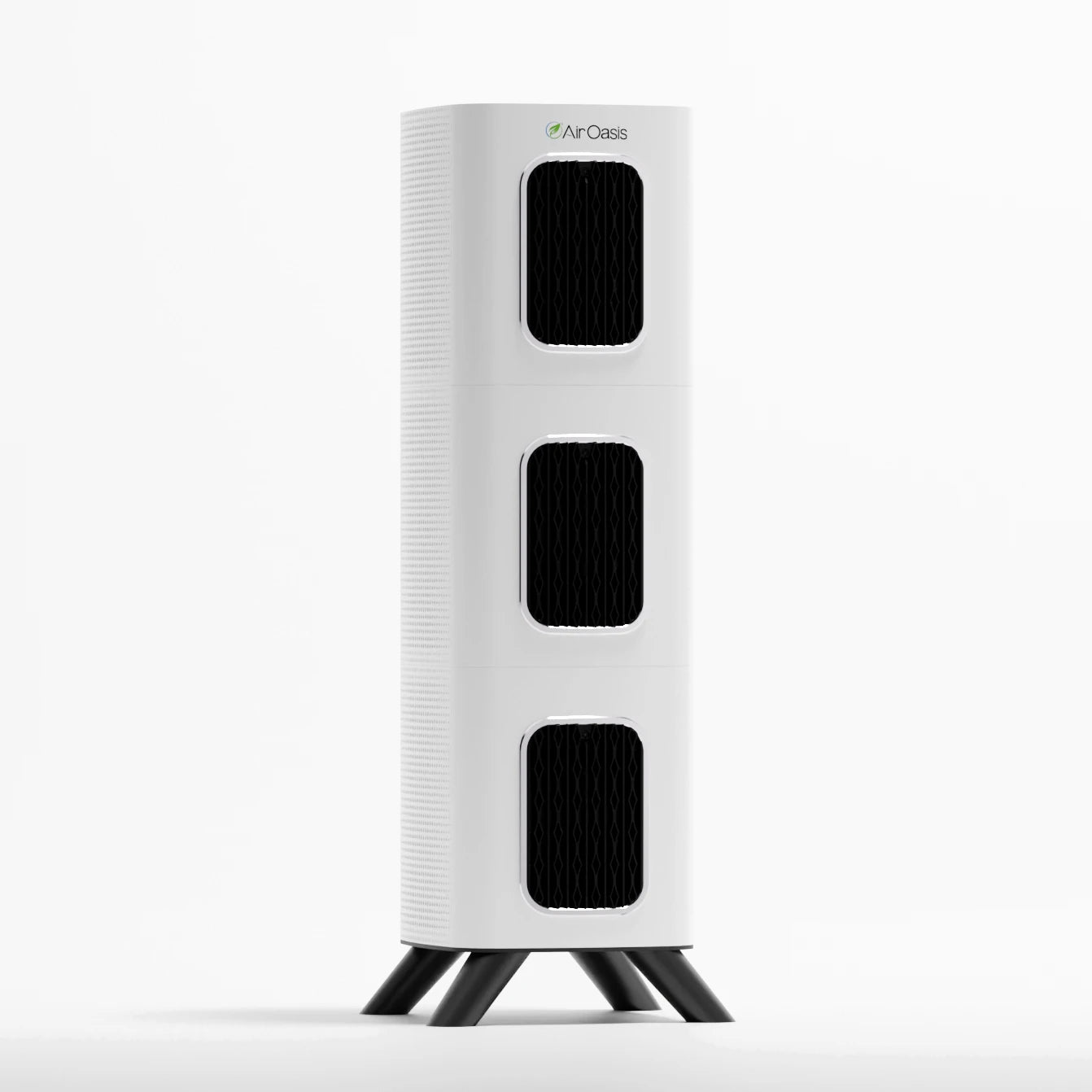
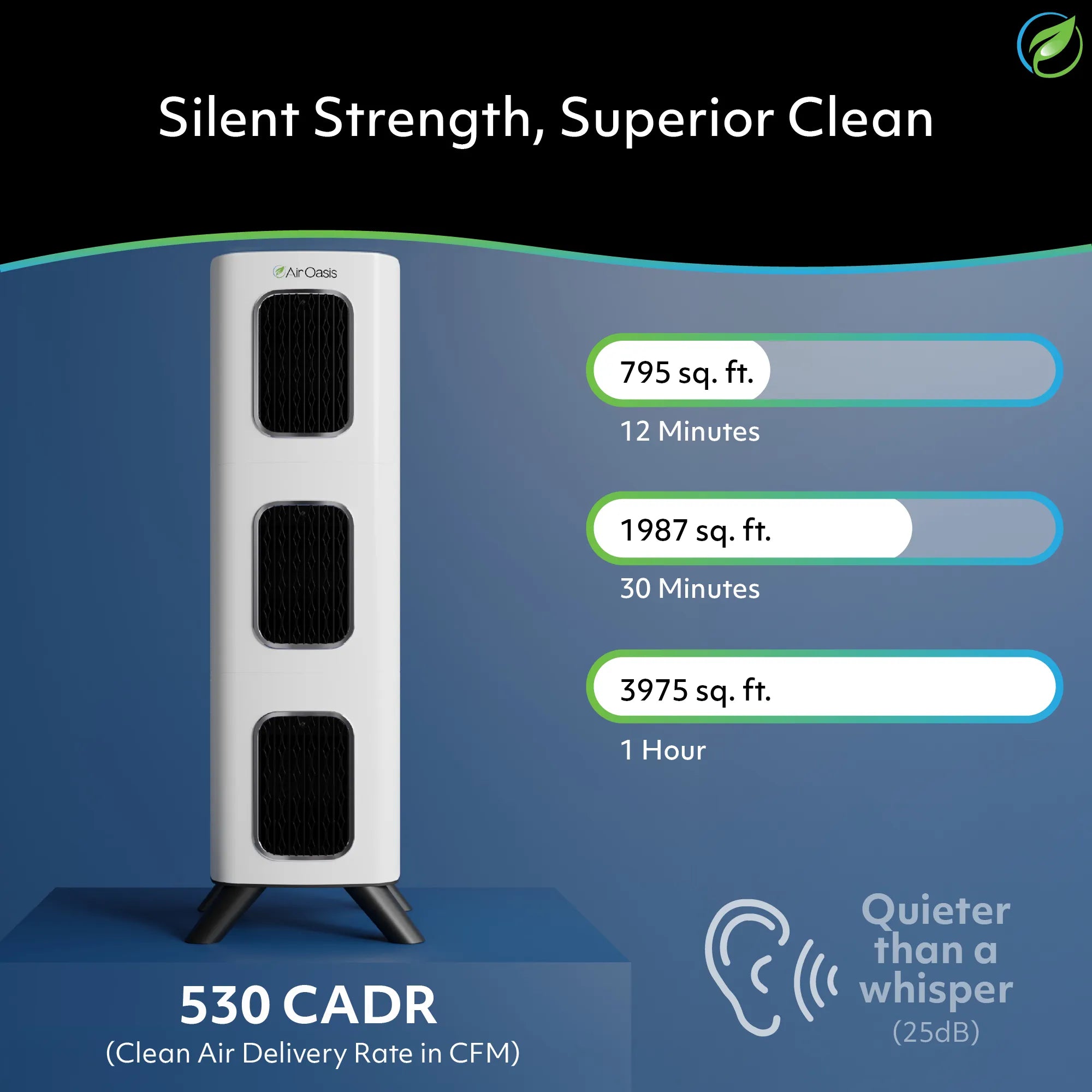
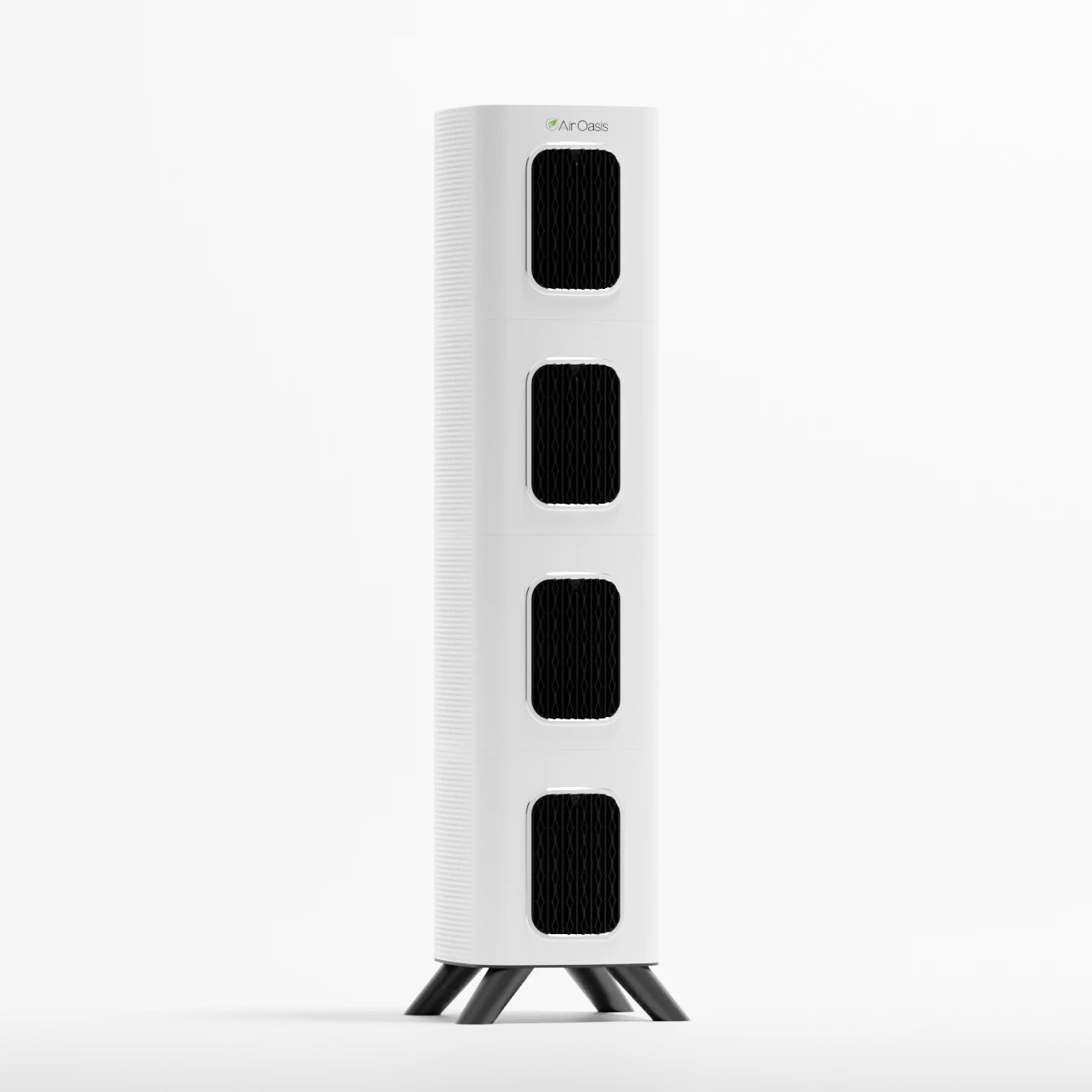
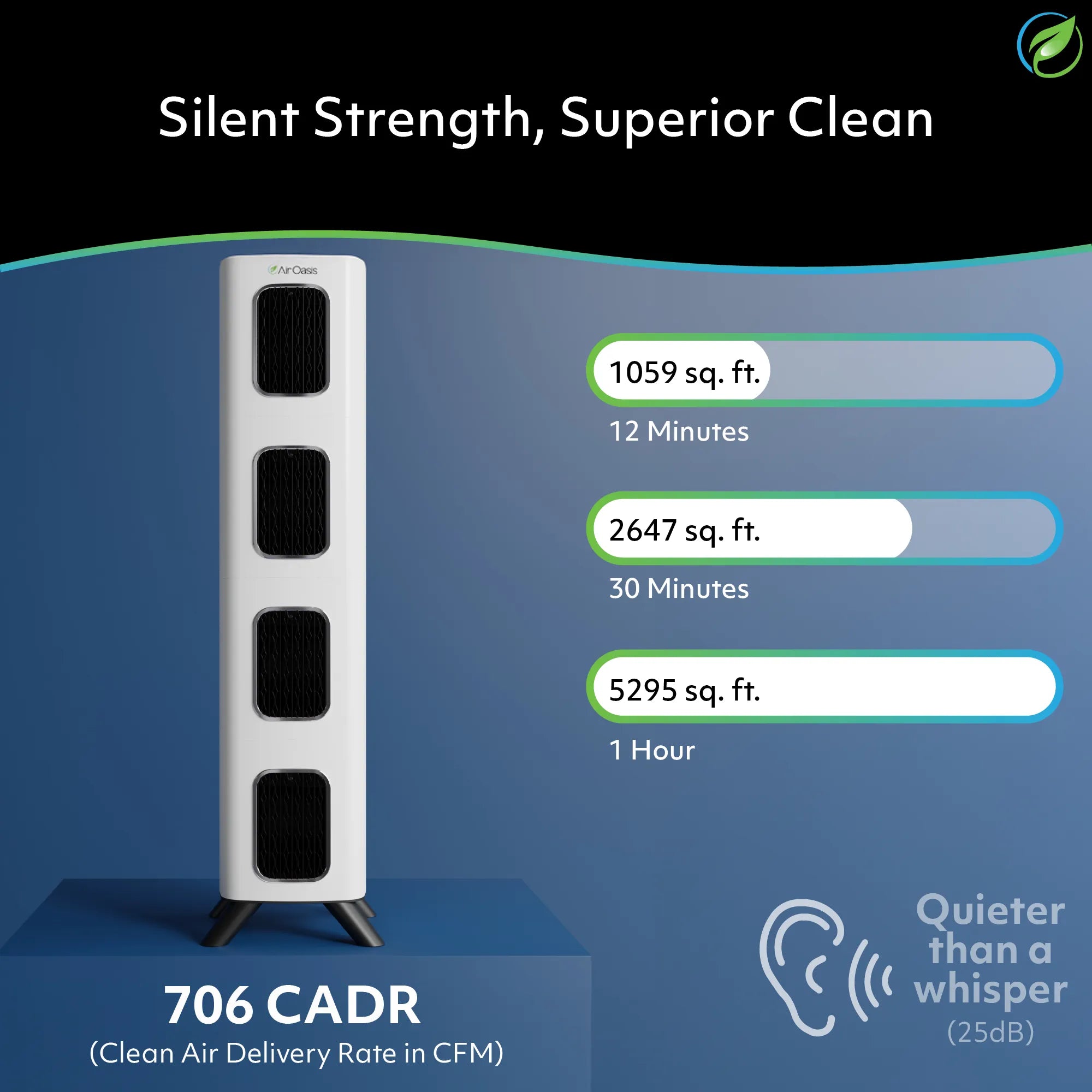
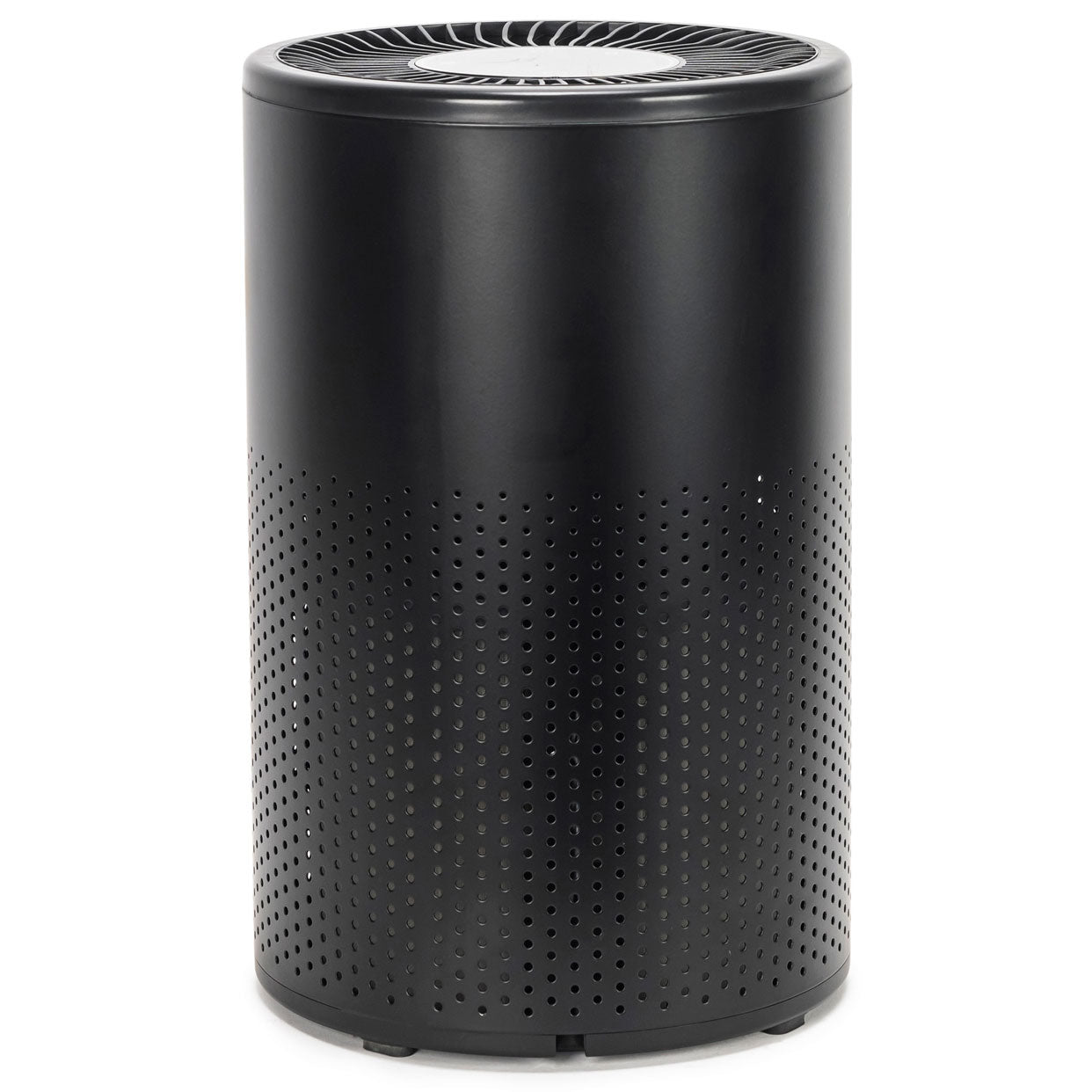
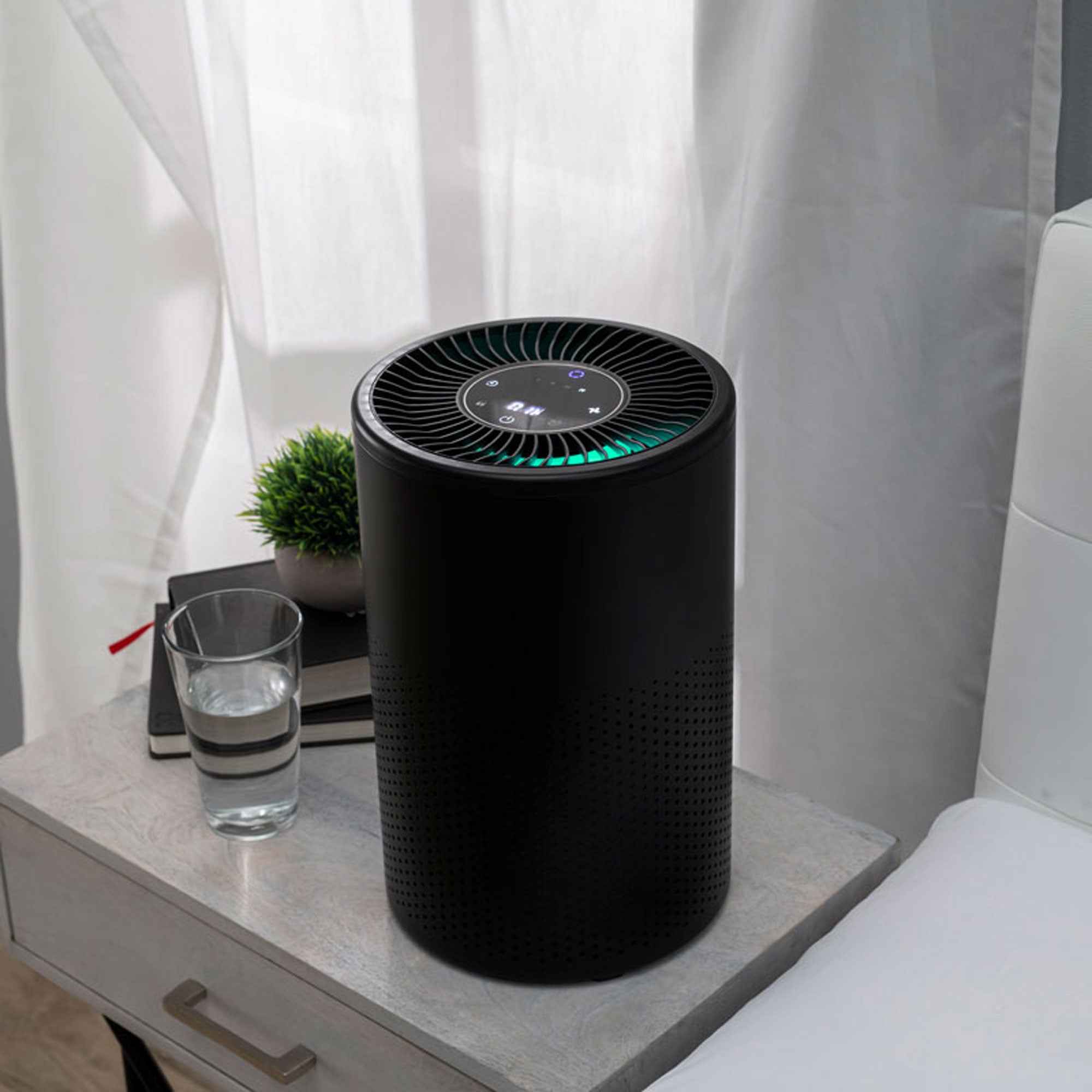
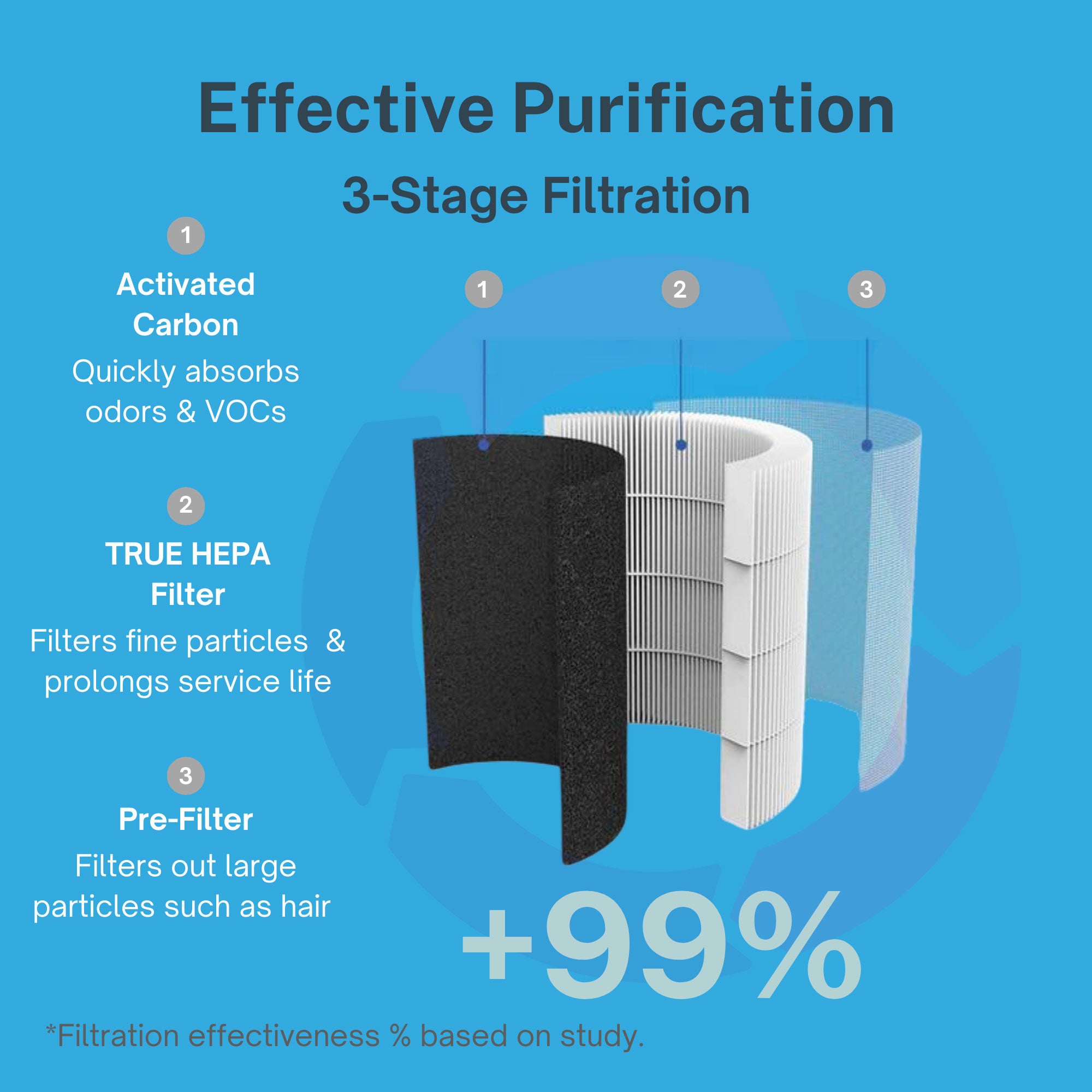
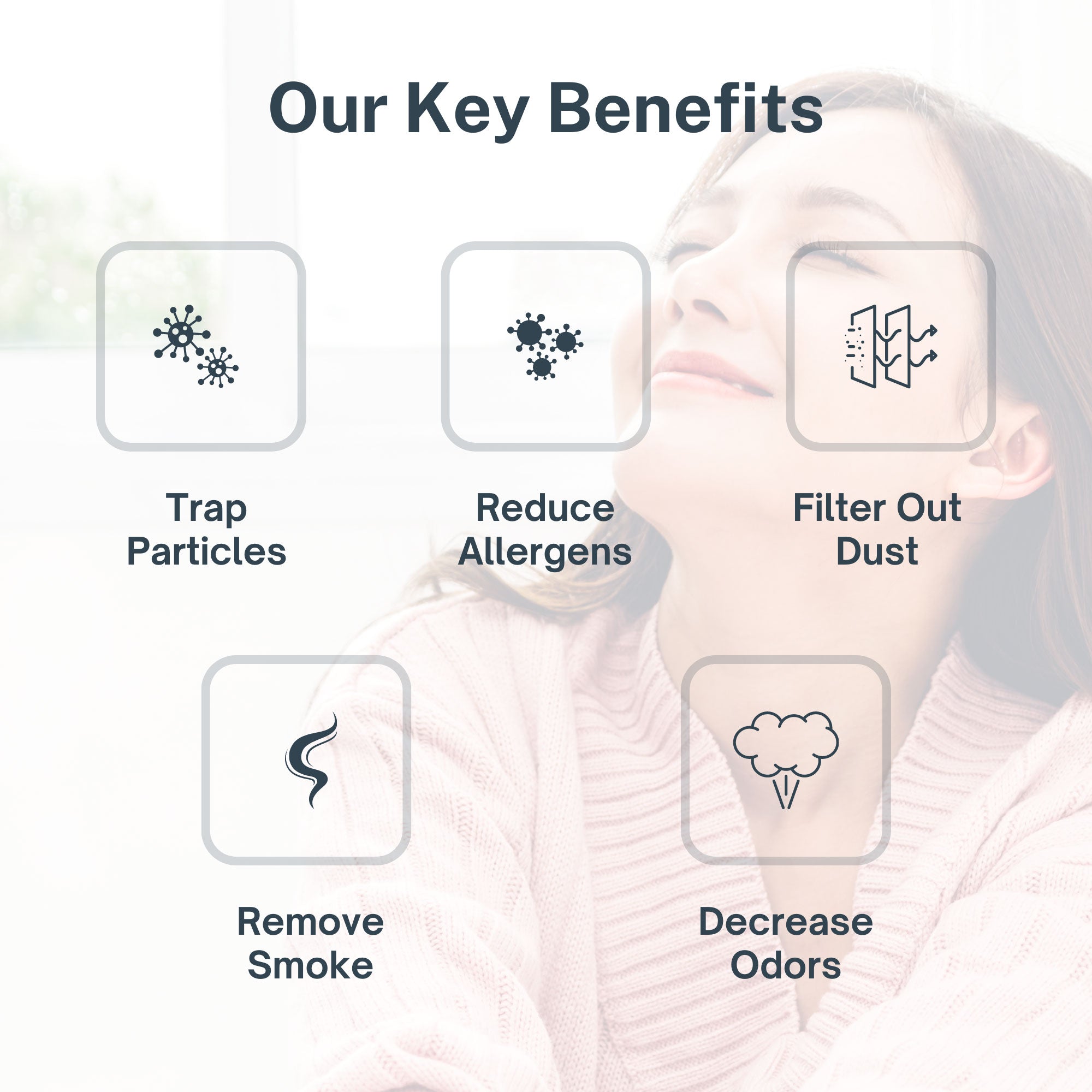
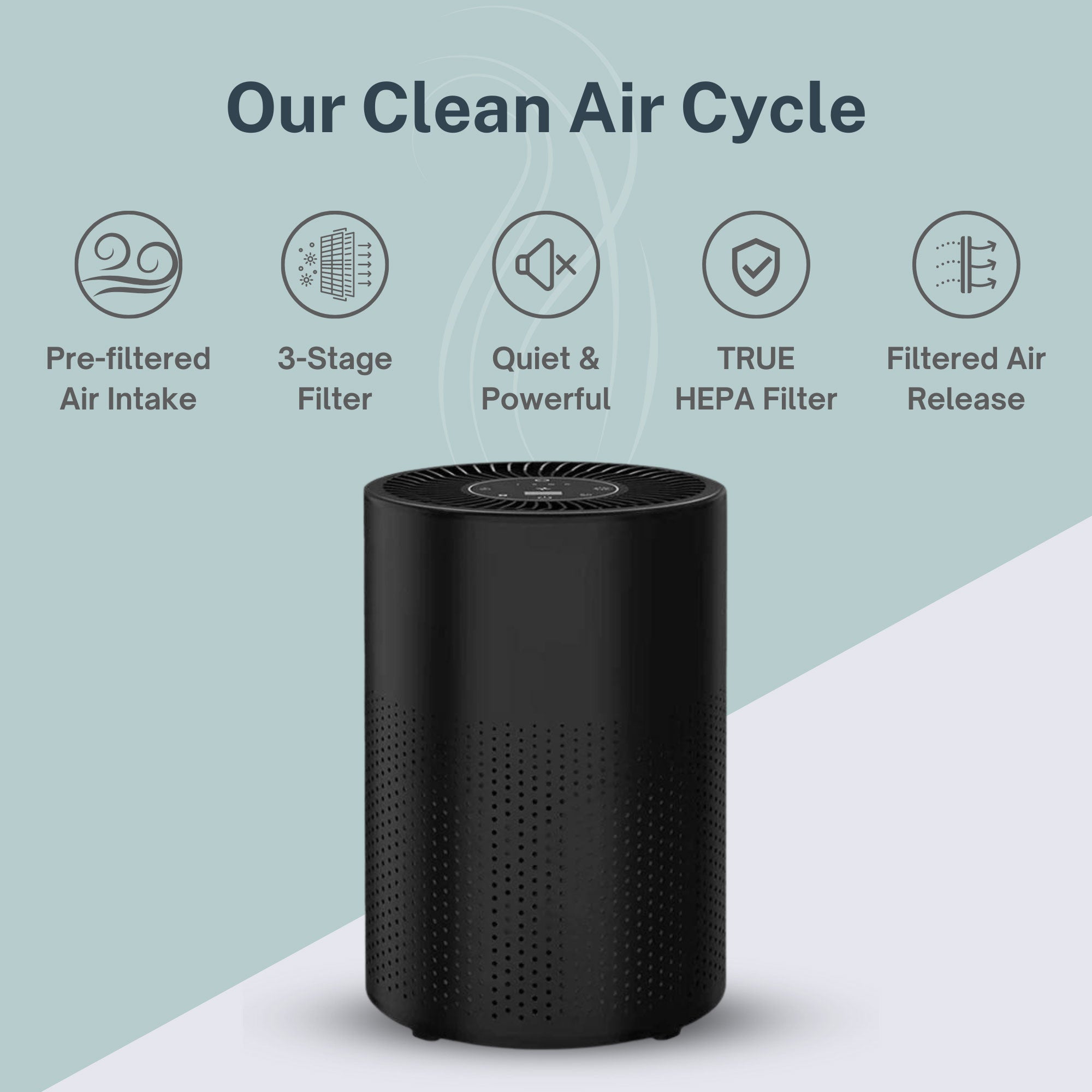
Medical-grade air purification systems provide the missing piece of corporate wellness programs. The iAdaptAir line from Air Oasis delivers multi-stage filtration combining HEPA technology, activated carbon, UV-C light, and bipolar ionization to remove 99% of airborne contaminants—including the fine particulate matter and pollutants the MIT research identifies as most harmful.
For businesses committed to employee wellbeing, air purification addresses both outdoor pollution infiltration and indoor sources like cleaning products, office equipment, and HVAC system contaminants. This becomes particularly critical in densely populated urban areas where the MIT research shows air quality damages concentrate most severely.
Smart businesses also consider their specific geographic context. Companies in regions with existing high pollution levels face amplified risks from both outdoor sources and inadequate indoor air management. Investing in proven air purification technology demonstrates genuine commitment to employee health while supporting broader sustainability goals.
Breathe Easier While Going Green
MIT's research proves that achieving net-zero emissions requires strategic thinking about which reductions happen first. The same principle applies to workplace air quality—not all solutions deliver equal health benefits.
As companies navigate carbon reduction strategies, protecting indoor air quality shouldn't wait. Your employees deserve clean air today, not years from now when your carbon goals are met. Explore Air Oasis solutions and give your team the healthy workplace they deserve. Shop Air Oasis today and transform your workspace into a sanctuary of clean, healthy air.