The soil in your flower beds and the compost in your bins may contain more than organic matter—they could be breeding grounds for drug-resistant mold that poses serious health risks to your family. Recent groundbreaking research from Imperial College London has confirmed that people are contracting life-threatening, treatment-resistant fungal infections directly from their home environments, including gardens, compost areas, and household spaces where mold thrives.
This discovery represents a significant shift in understanding how drug-resistant infections develop and spread. Unlike hospital-acquired infections, these environmental mold strains have evolved resistance before ever entering the human body, making them particularly dangerous for individuals with compromised immune systems.
The Alarming Rise of Environmental Drug Resistance
Research published in Nature Epidemiology reveals that nearly half of Aspergillus fumigatus samples collected across the United Kingdom showed resistance to at least one first-line antifungal medication. More concerning, over 10% of samples demonstrated resistance to multiple antifungal drugs, making treatment increasingly difficult and potentially ineffective.
The study's lead researcher, Dr. Johanna Rhodes, traced this resistance directly to agricultural fungicide exposure. As mold encounters low levels of fungicides in the environment over time, it gradually develops immunity—similar to how gradual sun exposure builds a tan. This process creates drug-resistant strains that spread through airborne spores, contaminating previously untreated mold populations across wide geographic areas.
Imperial College London's research documented six specific cases where drug-resistant lung infections matched environmental mold samples from patients' immediate surroundings. This direct environmental-to-human transmission pathway represents a new understanding of how dangerous mold infections develop outside clinical settings.
The mortality implications are severe. Studies indicate a 25% increase in death rates three months after infection with drug-resistant Aspergillus compared to treatable fungal infections, making prevention and environmental control critical for vulnerable populations.
High-Risk Environments and Vulnerable Populations
Aspergillus fumigatus thrives in decaying organic matter, making common household areas potential breeding grounds for drug-resistant strains. Compost bins, flower beds, mulched areas, decaying wood, and poorly ventilated spaces create ideal conditions for mold growth and spore production.
Individuals with compromised immune systems face the greatest risk from these environmental exposures. This includes people taking immunosuppressant medications, those undergoing cancer treatment, organ transplant recipients, and individuals with autoimmune conditions. For these populations, everyday gardening activities or exposure to household mold can result in serious, potentially fatal infections.
The research confirms that drug-resistant Aspergillus has become virtually ubiquitous in the environment. Spores travel through the air and can transfer genetic material to wild mold colonies, creating widespread contamination that extends far beyond the original fungicide application sites.
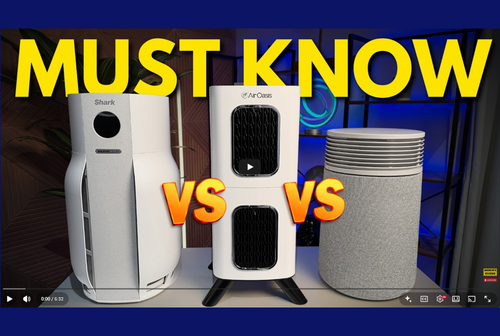
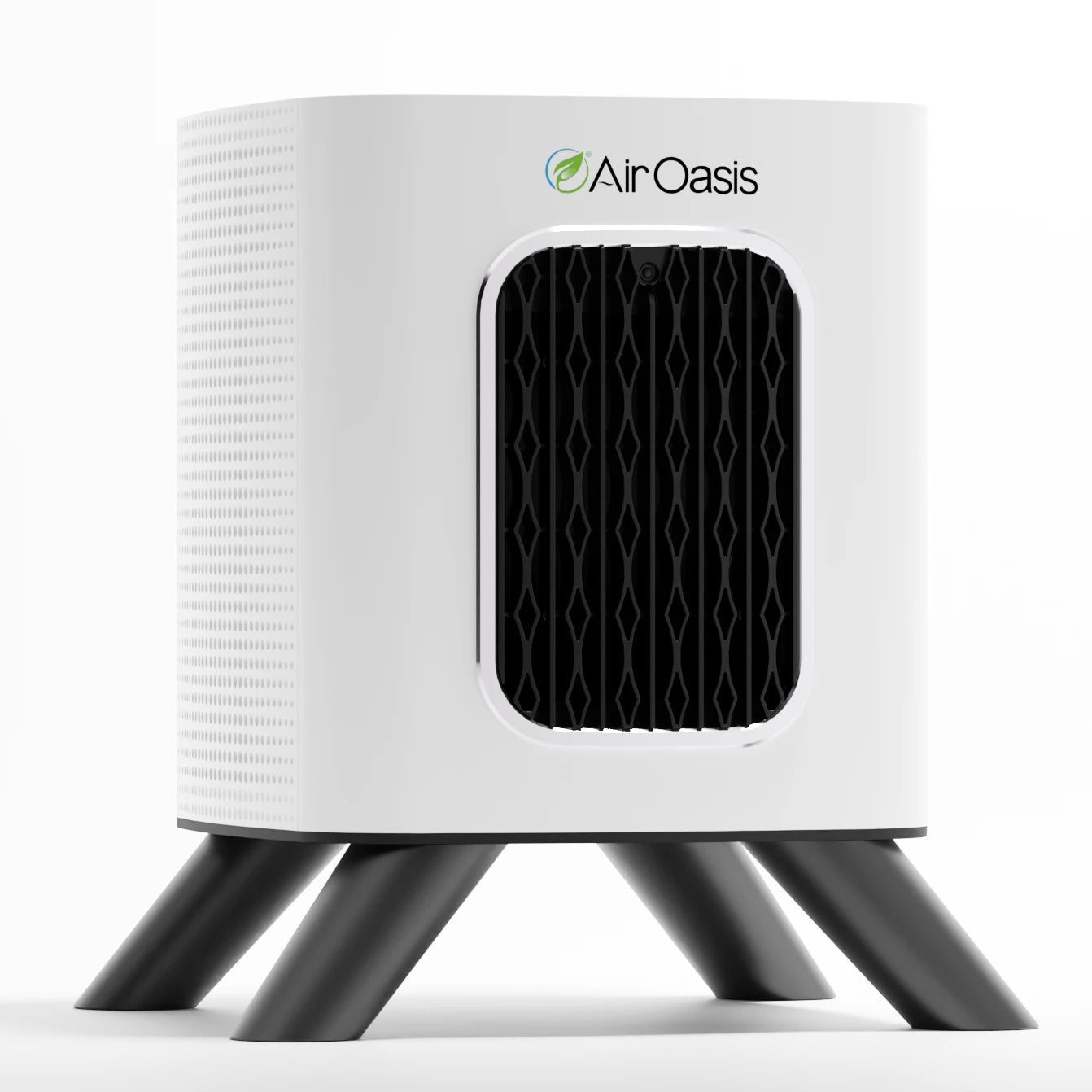
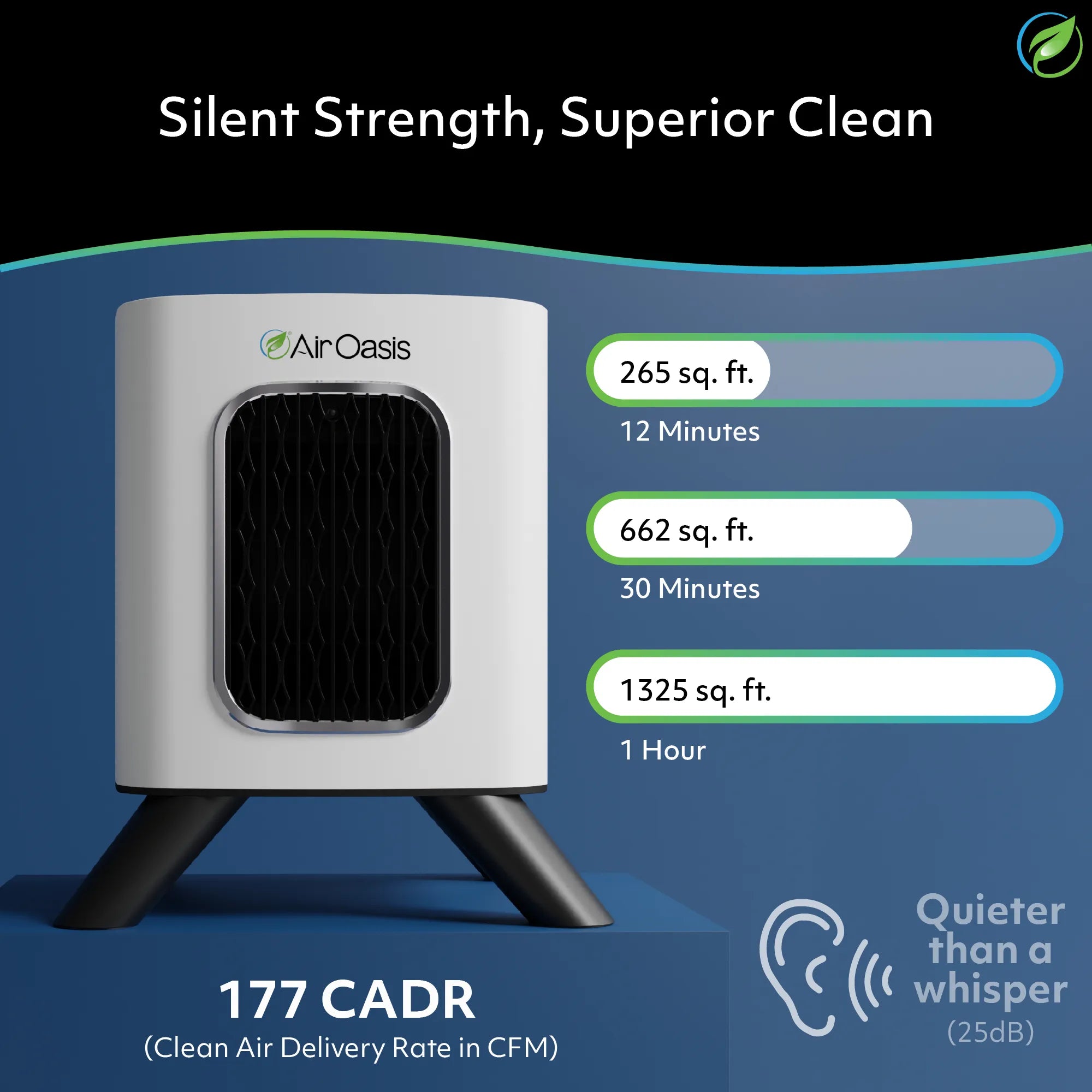
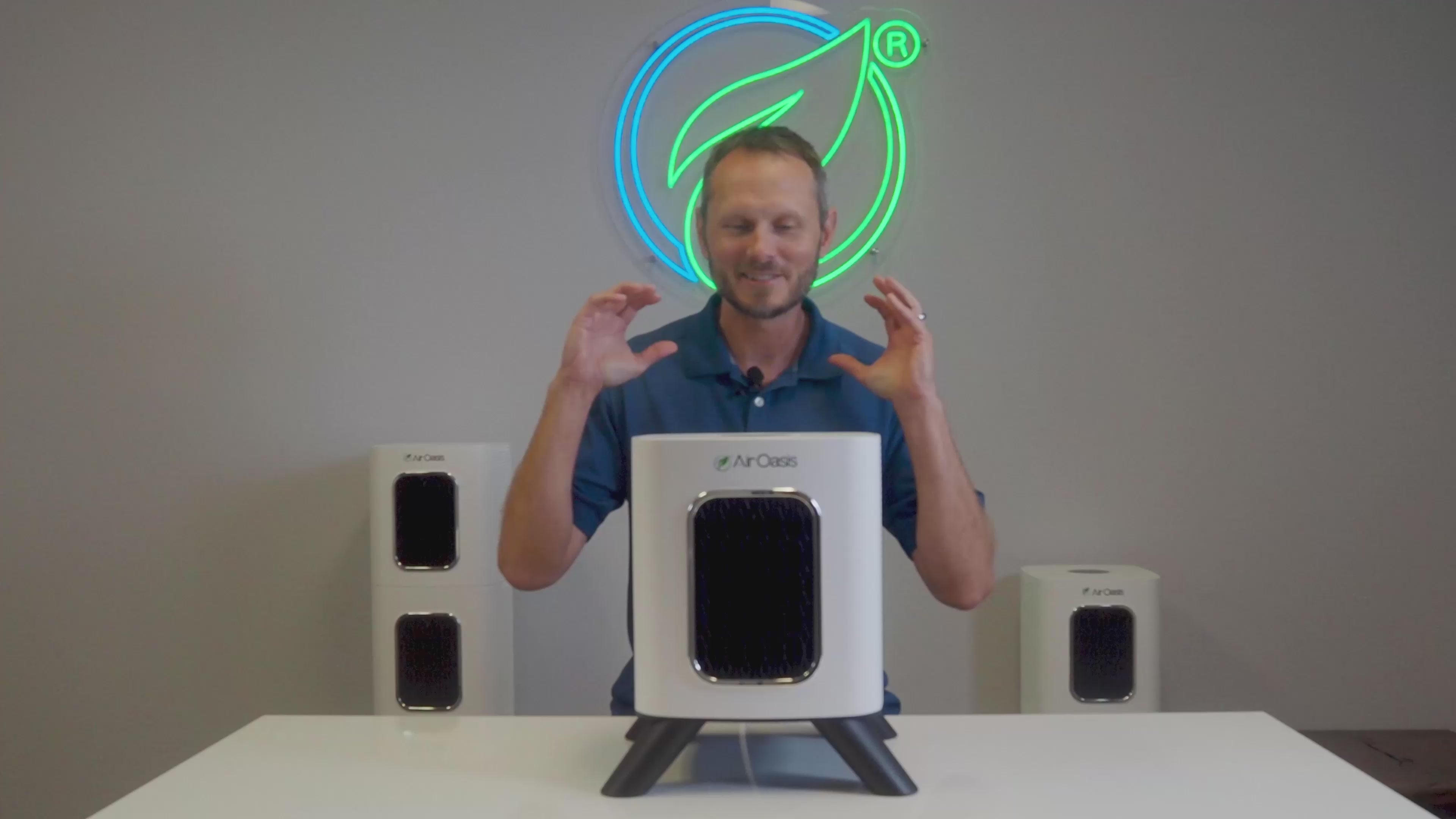
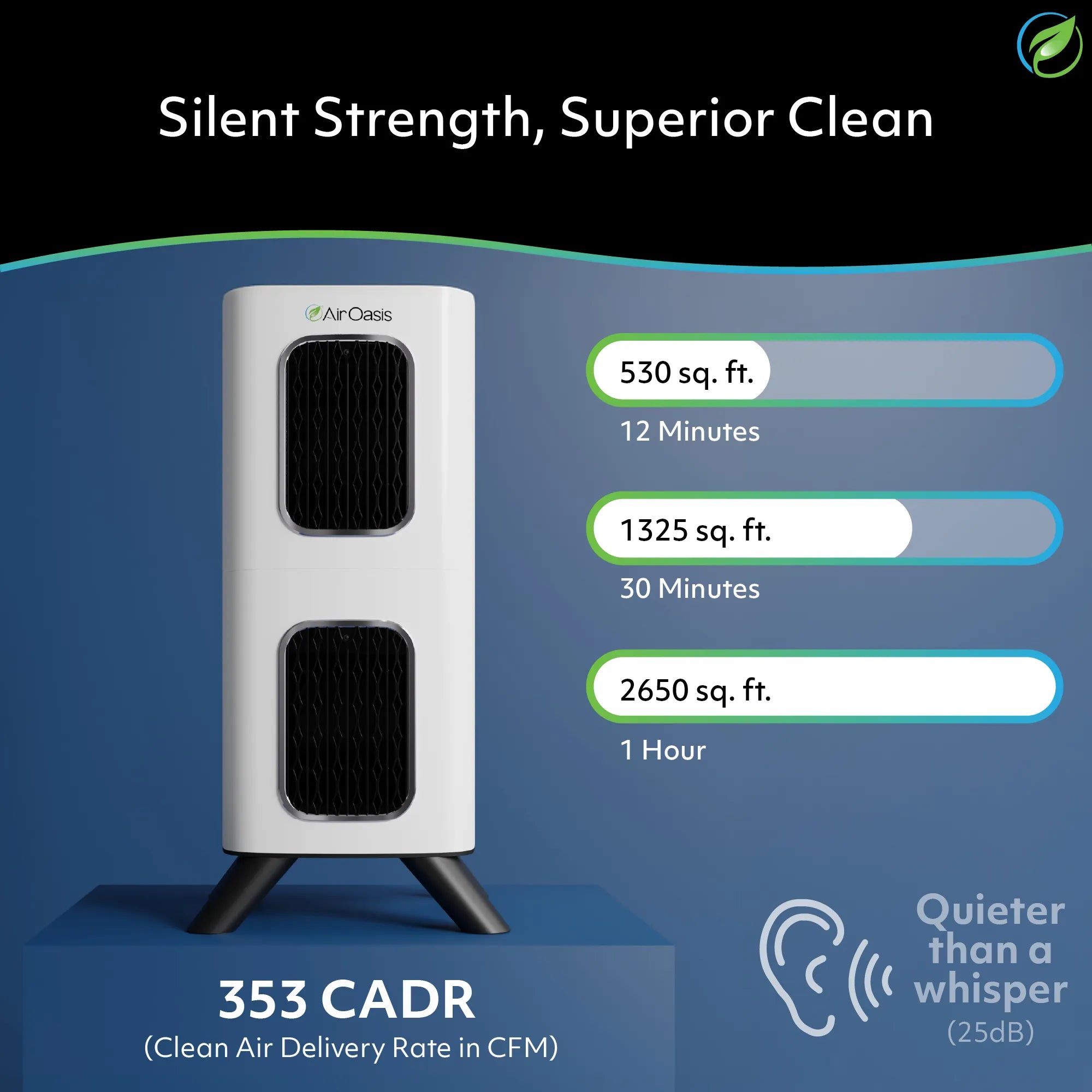
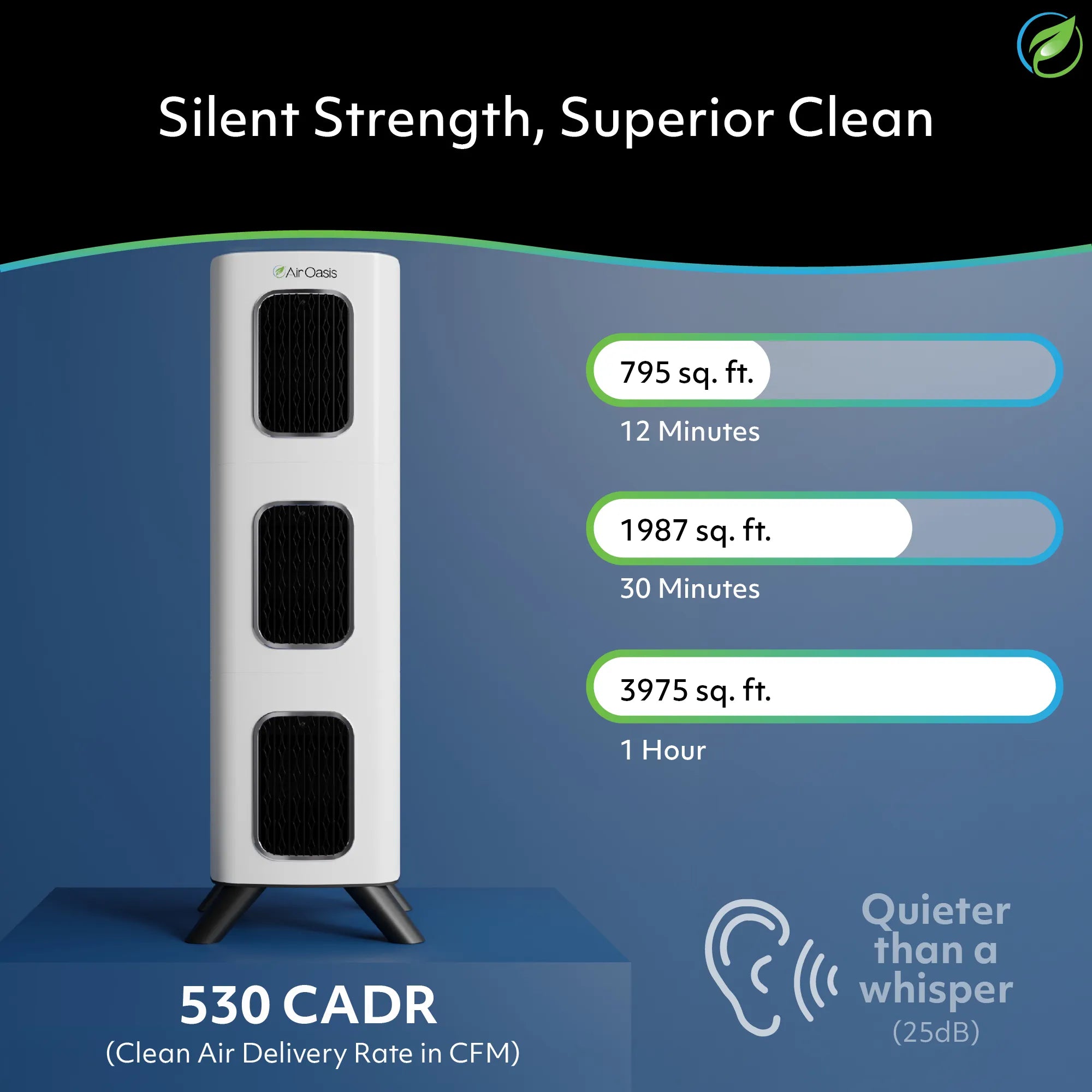
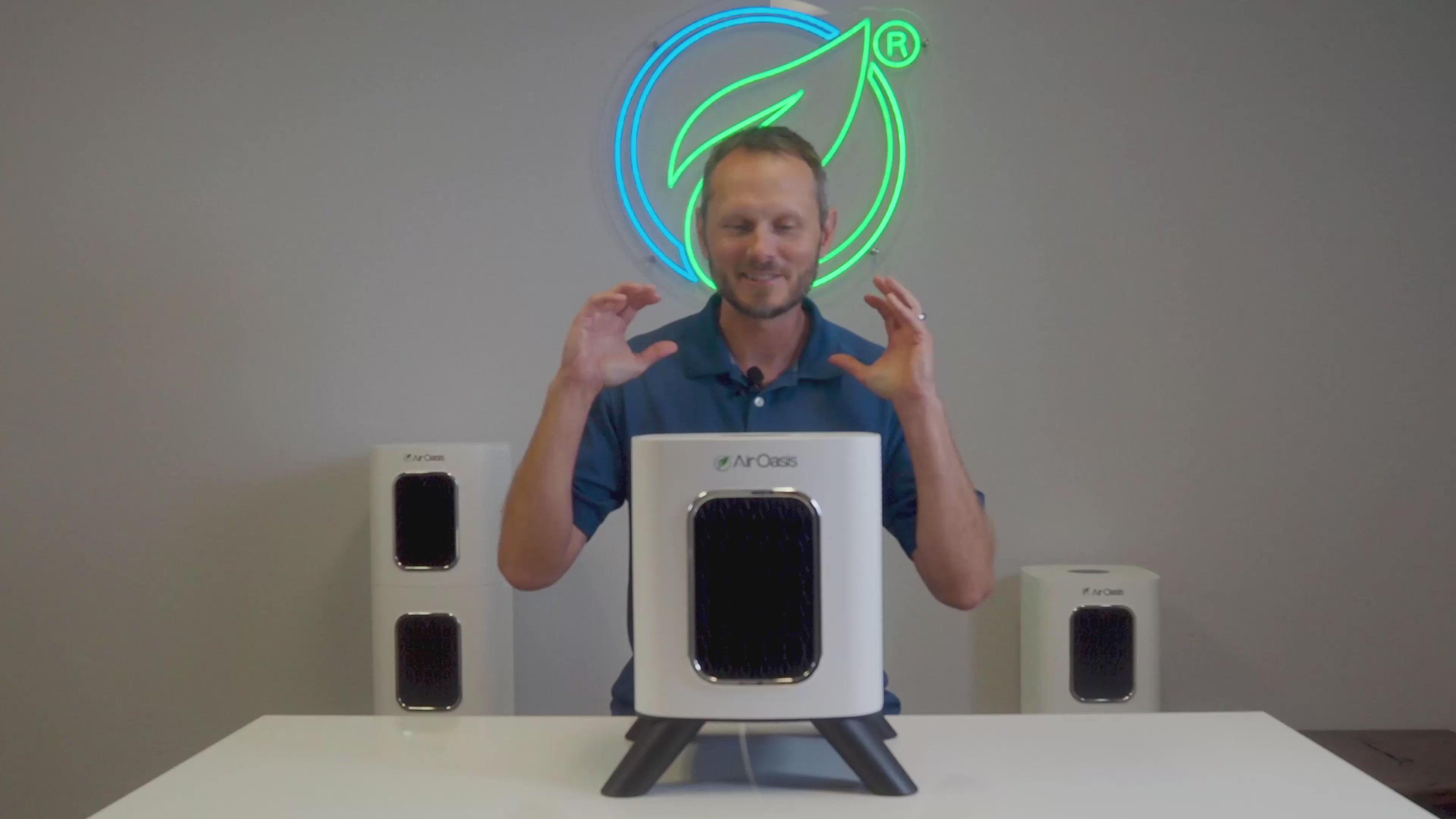
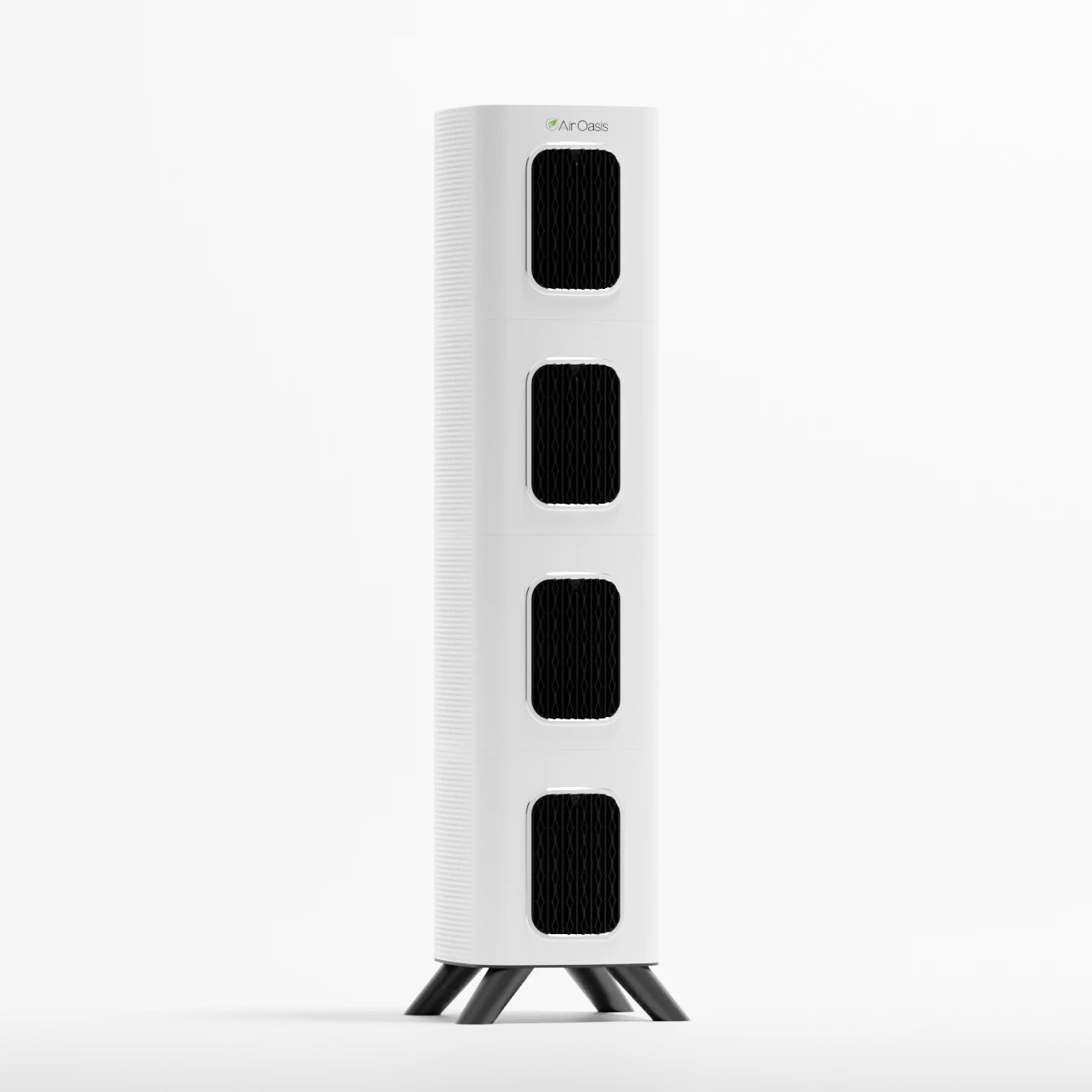
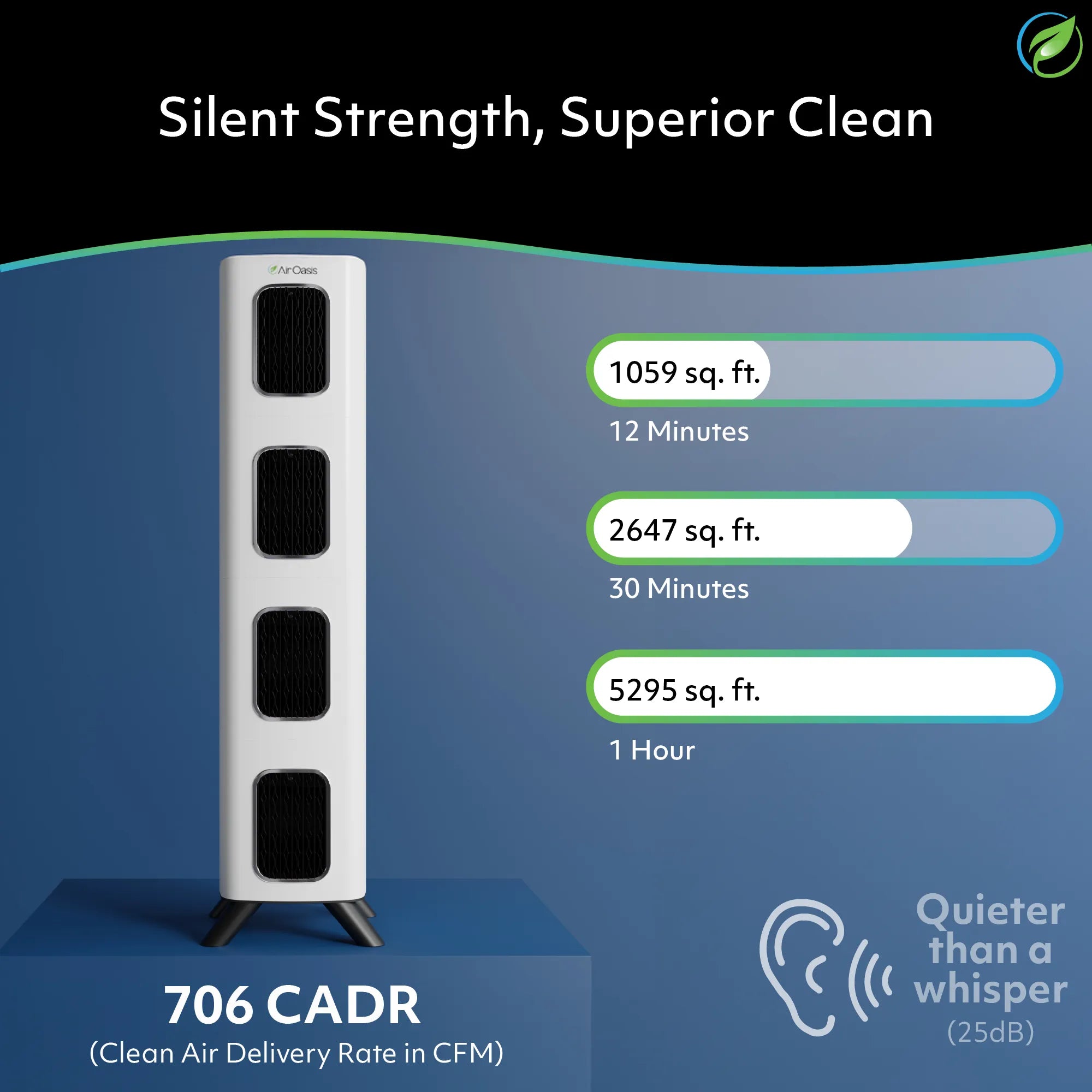
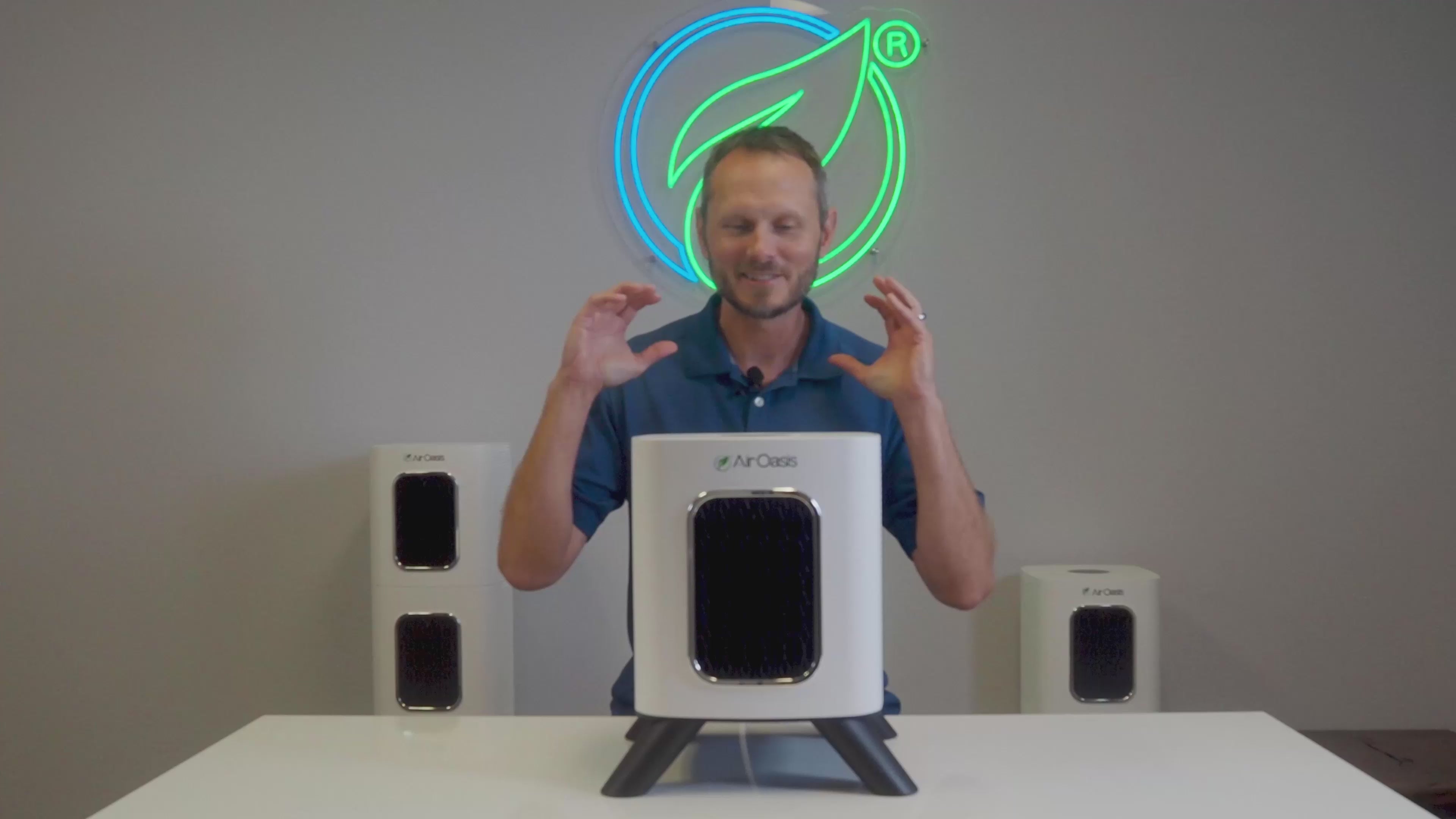
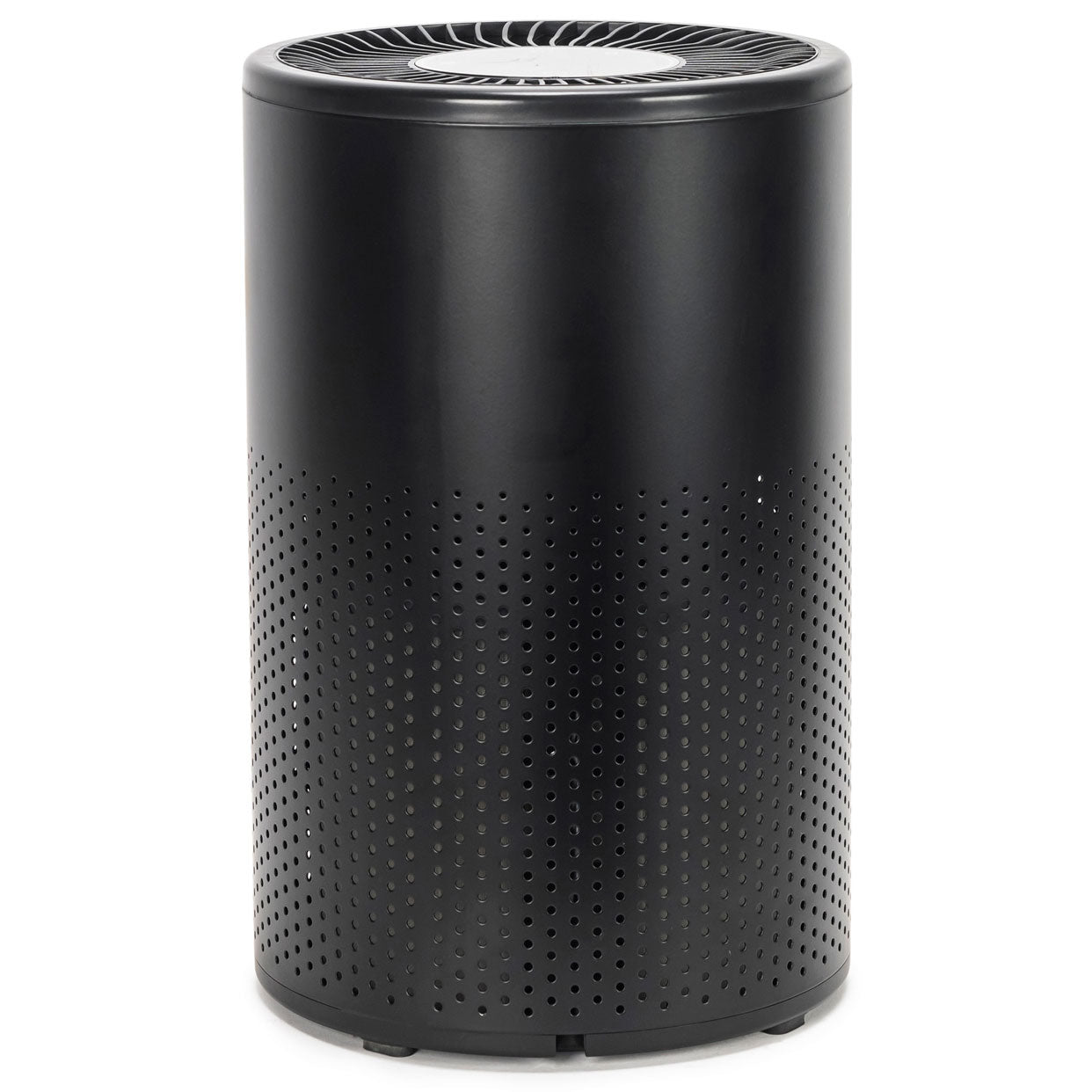
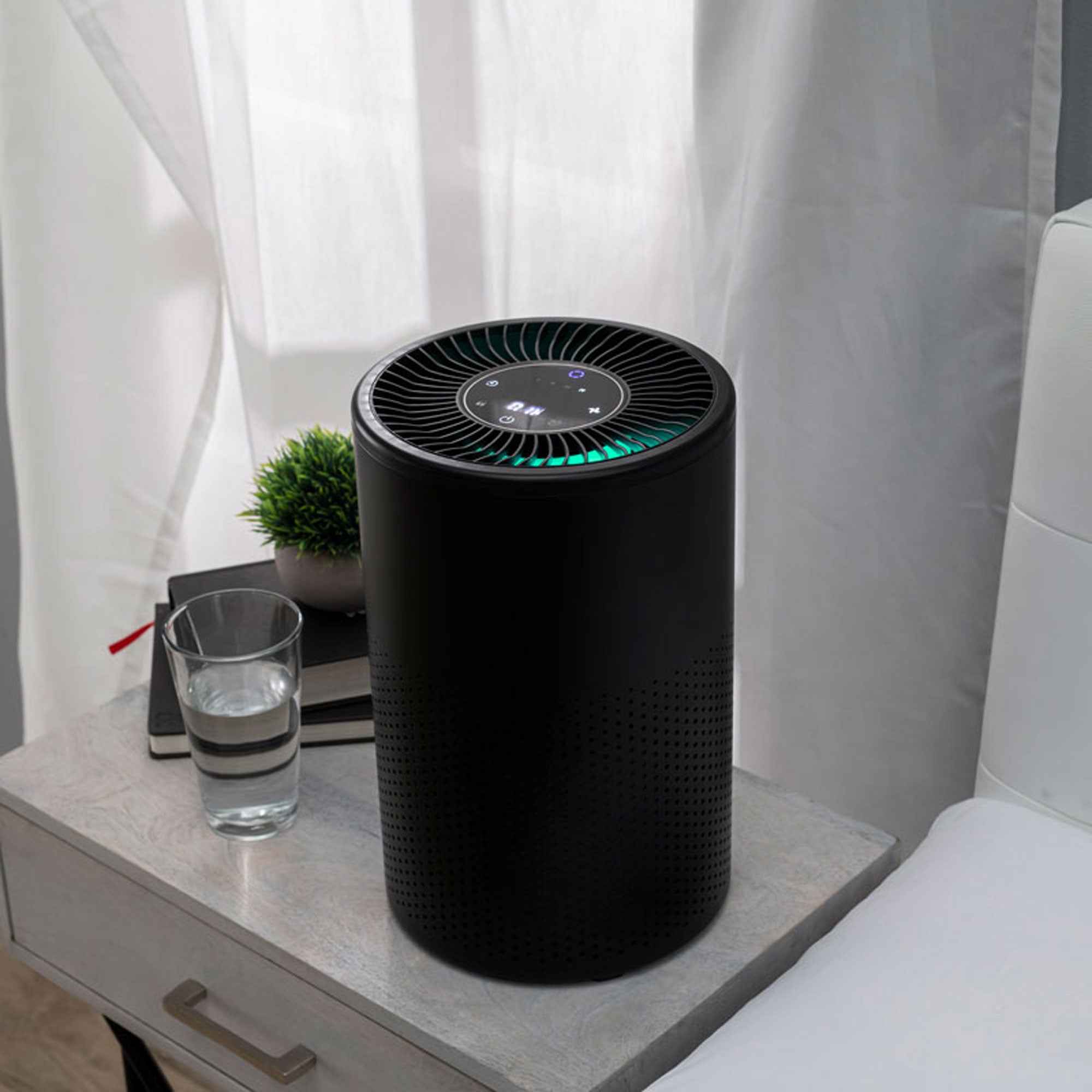
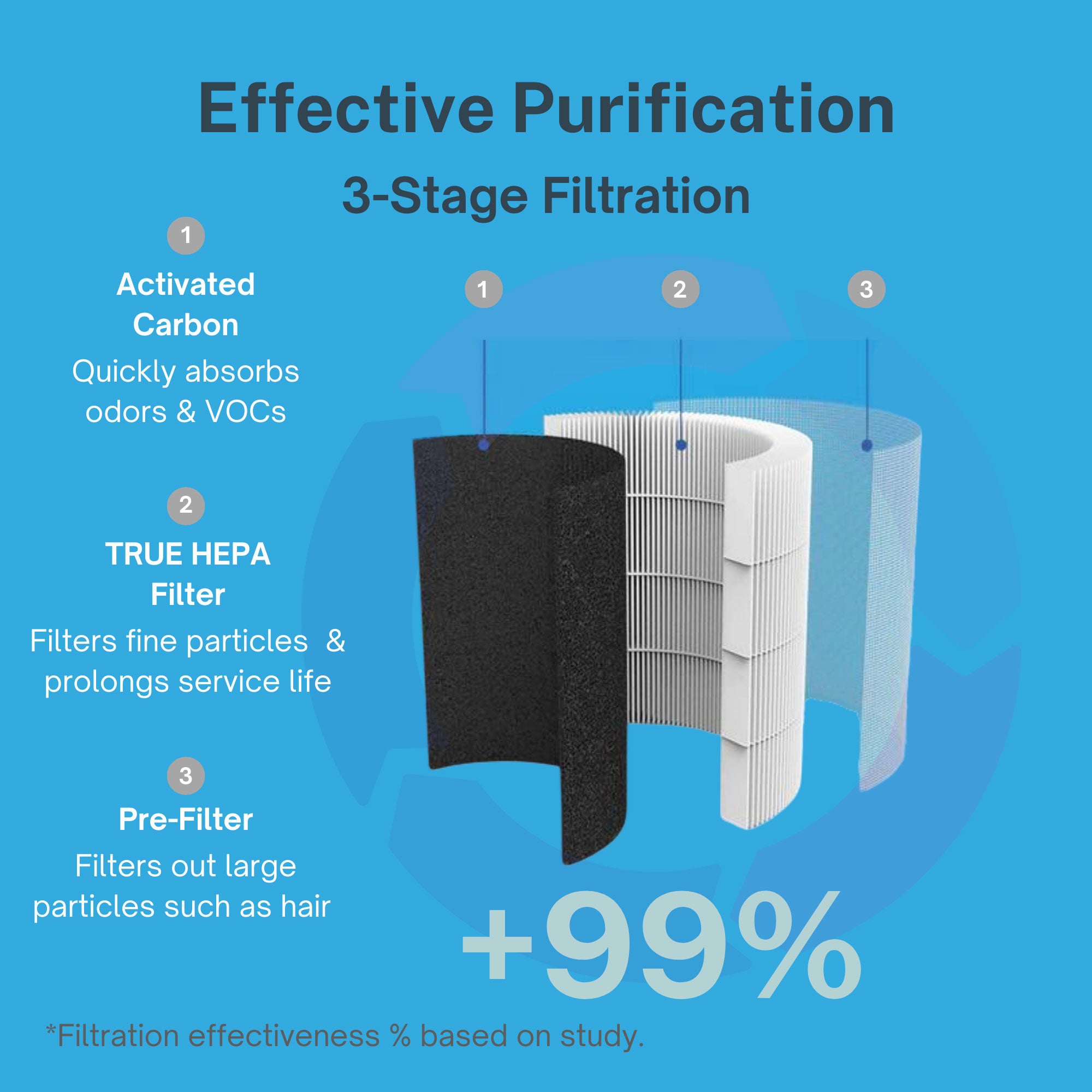
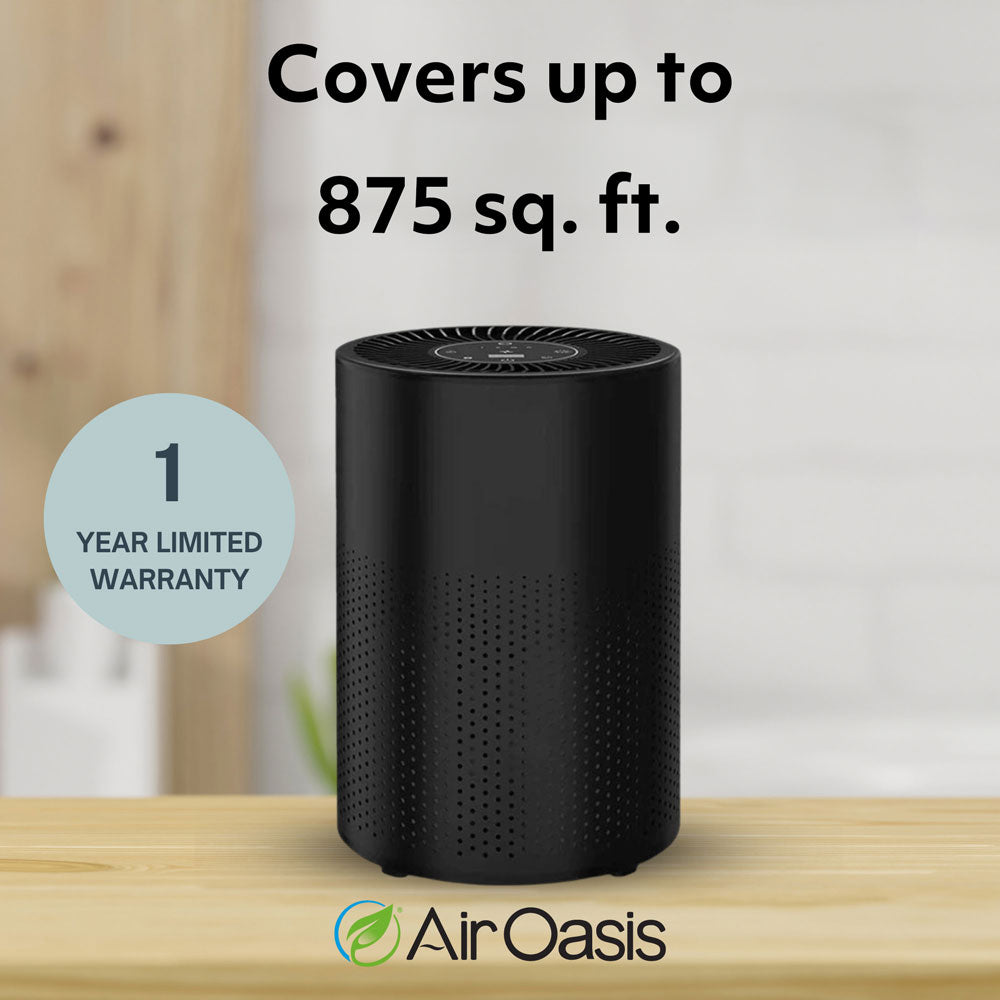
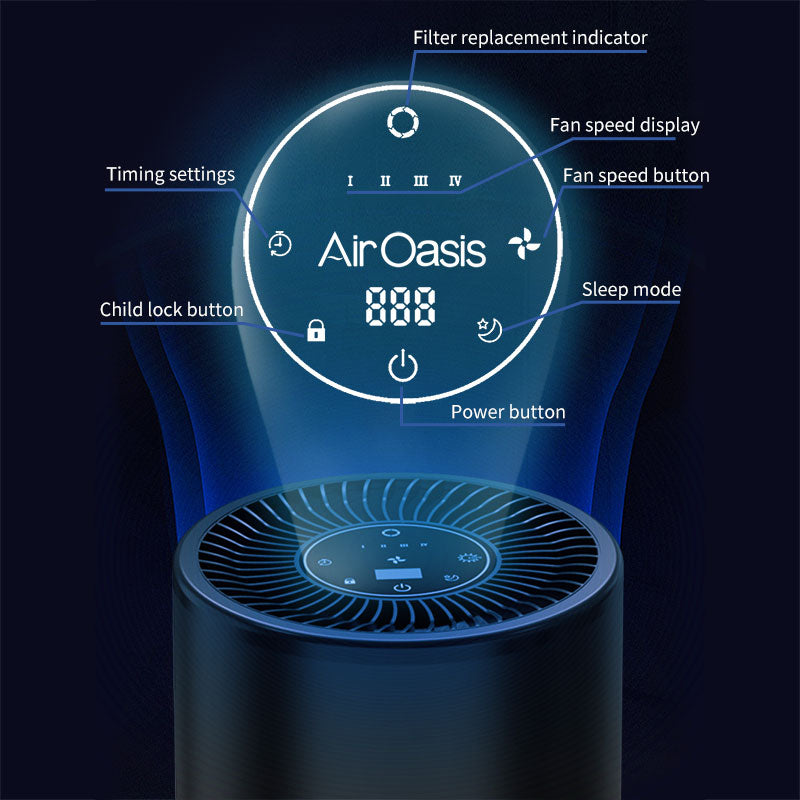
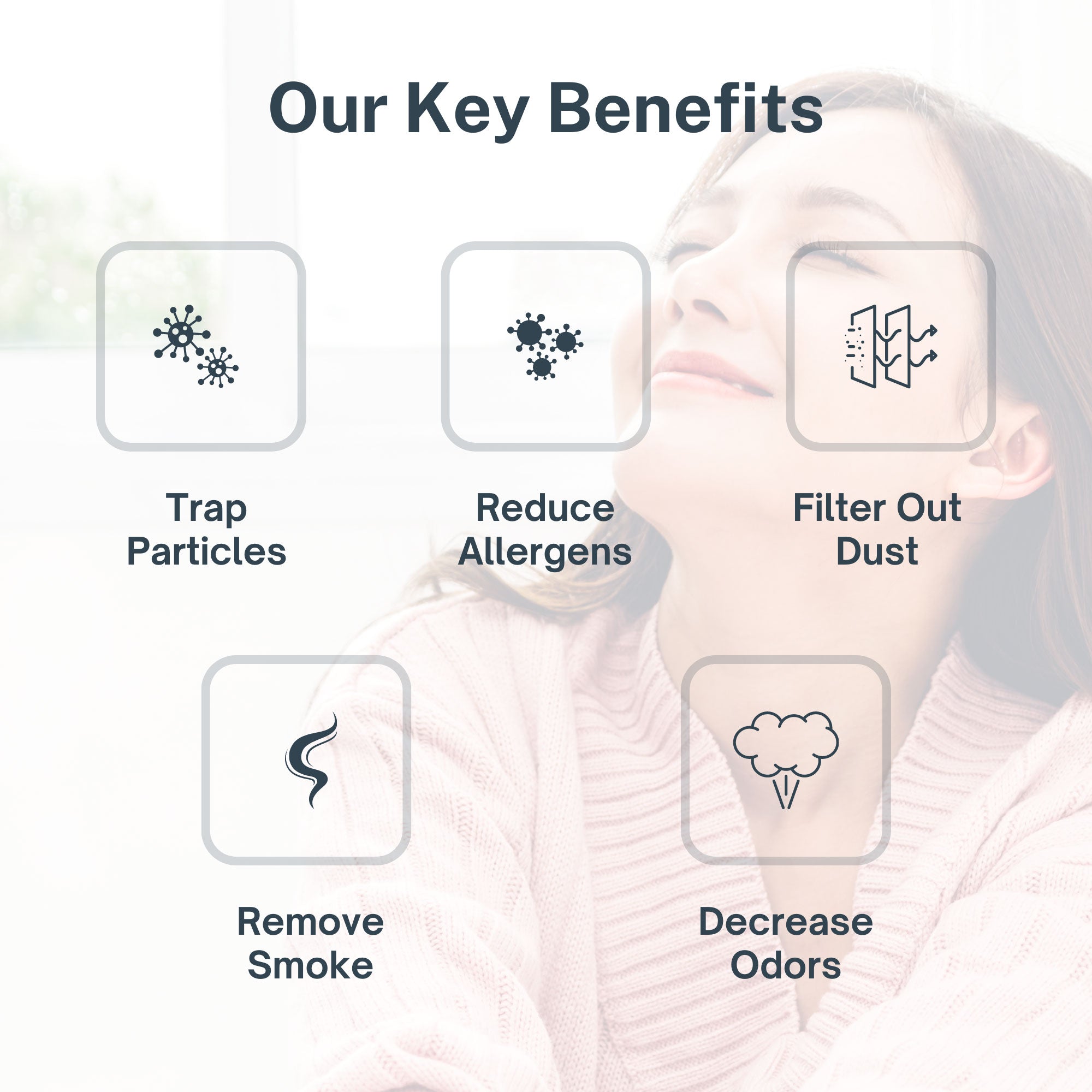
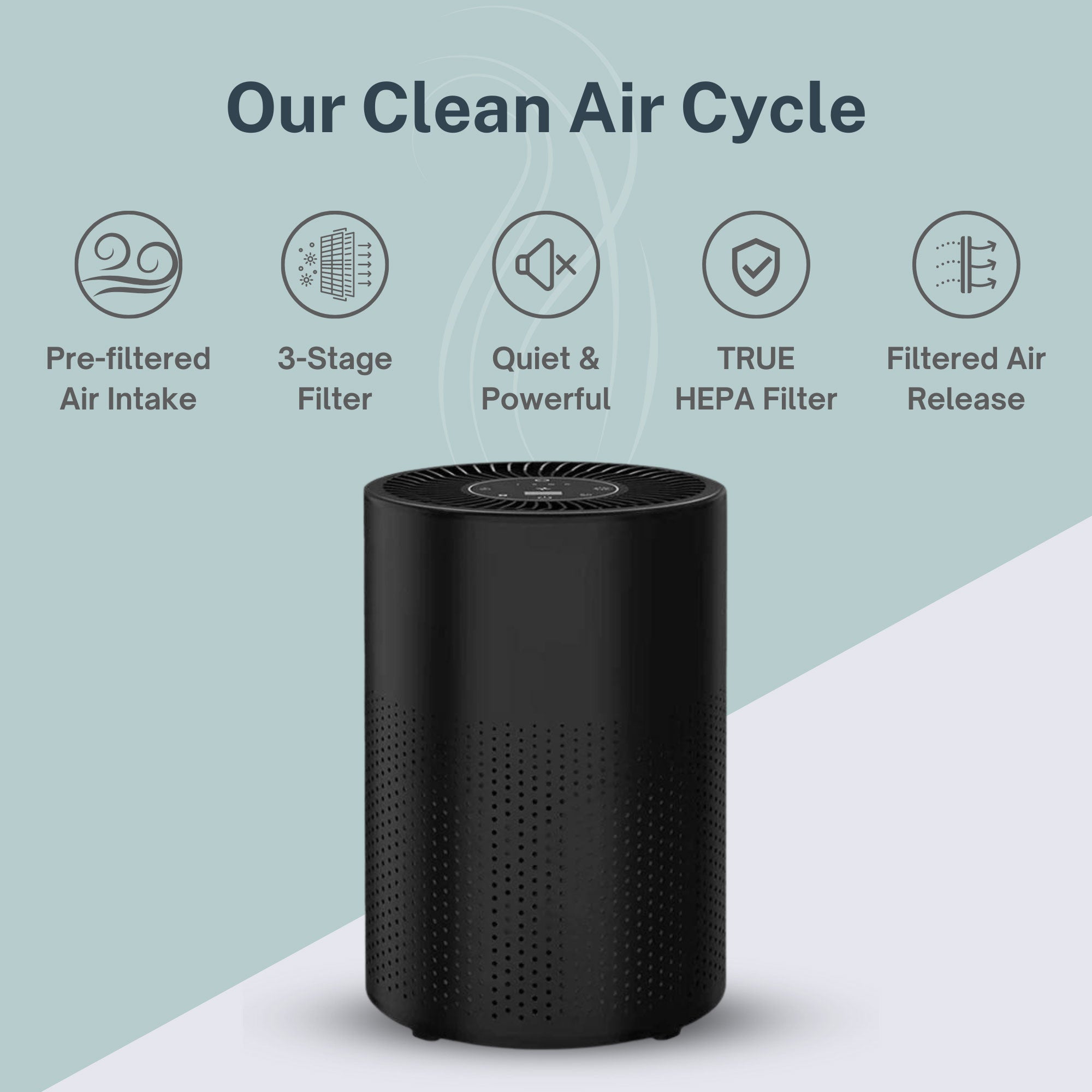
Air Oasis air purification systems provide crucial protection against these airborne threats through medical-grade HEPA filtration that captures mold spores before they can establish colonies or cause infections. For vulnerable individuals, comprehensive indoor air purification represents an essential defense against environmental mold exposure.
Environmental Controls and Protection Strategies
Creating protective barriers against drug-resistant mold requires comprehensive environmental management focused on both outdoor precautions and indoor air quality control. When working in gardens or handling compost materials, N95 masks provide effective protection against spore inhalation—the same masks acquired during the COVID-19 pandemic work effectively for mold protection.
Proper ventilation plays a crucial role in preventing mold accumulation indoors. Opening windows regularly helps prevent Aspergillus buildup inside homes while clearing other airborne pathogens. However, during high outdoor mold activity periods, mechanical air purification becomes necessary to maintain clean indoor environments without introducing contaminated outdoor air.
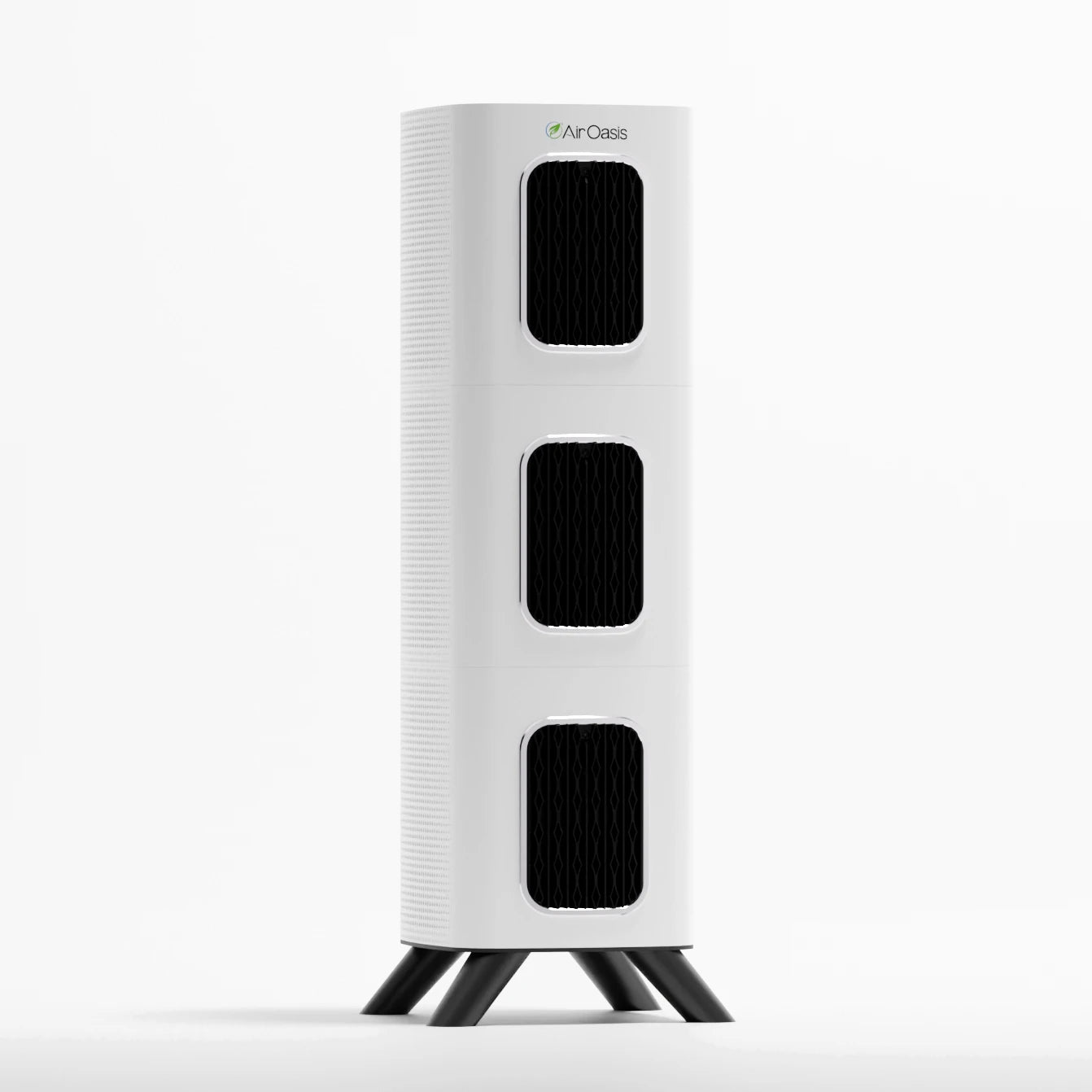
Professional-grade air purification technology offers the most reliable protection against drug-resistant mold spores. The Air Oasis iAdaptAir systems combine HEPA filtration, UV-C sterilization, and ionization to create multi-layered defense against airborne mold spores and mycotoxins.
Regular moisture control prevents mold establishment in indoor environments. Maintain humidity levels between 30-50%, address water leaks immediately, and ensure adequate ventilation in bathrooms, kitchens, and basements where moisture accumulation supports mold growth.
The Critical Need for Comprehensive Air Purification
The Imperial College London research underscores the importance of treating environmental mold exposure as a serious health threat requiring advanced protective measures. Drug-resistant mold represents an invisible but significant risk that cannot be eliminated through simple cleaning or basic ventilation alone.
For households with vulnerable individuals, professional air purification becomes essential rather than optional. The widespread nature of drug-resistant Aspergillus means that exposure risks exist in virtually every outdoor environment, making indoor air quality control the primary defense against infection.
Advanced air purification technology provides continuous protection against both visible mold growth and invisible airborne spores that cause infections. Unlike temporary protective measures like masks or ventilation, comprehensive air purification systems work continuously to maintain clean indoor environments regardless of outdoor mold activity levels.
Protecting Your Family from Environmental Health Threats
Drug-resistant mold in gardens and compost areas represents a serious but manageable health threat through proper environmental controls and protective technology. Understanding the widespread nature of this contamination helps families make informed decisions about outdoor activities and indoor air quality management.
The research clearly demonstrates that environmental mold exposure poses real health risks that require proactive management rather than reactive treatment. For vulnerable family members, investing in comprehensive air purification provides crucial protection against a growing environmental health threat.
Ready to protect your family from drug-resistant environmental mold? Shop Air Oasis today for medical-grade air purification systems that provide comprehensive protection against airborne mold spores and mycotoxins.